The Mediterranean Diet: A Proven Path to Health
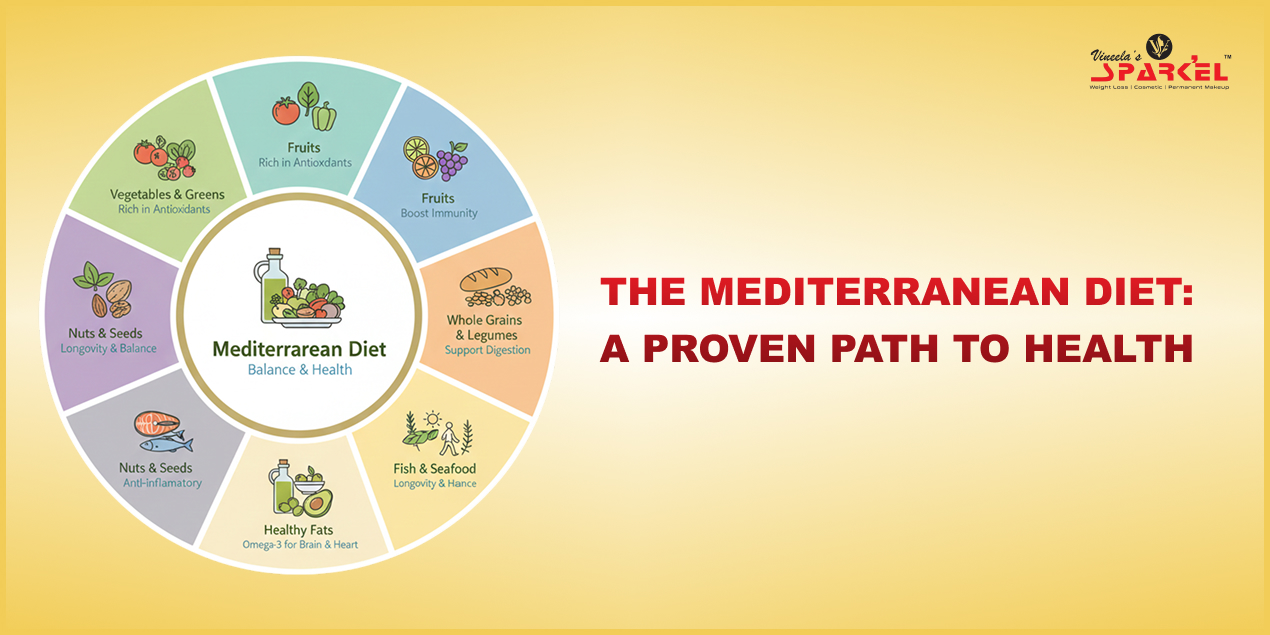
The Mediterranean Diet has gained worldwide recognition for its natural, science-backed approach to improving health, boosting energy and supporting longevity. Rooted in the traditional eating habits of countries bordering the Mediterranean Sea, this diet emphasizes fruits, vegetables, whole grains, nuts, olive oil and lean proteins. Modern research shows that these foods work together to enhance heart and brain health, improve digestion, strengthen immunity and prevent chronic illnesses. For Indian households, adapting Mediterranean principles to local meals provides a sustainable and delicious way to achieve long-term wellness while enjoying familiar flavors.
Understanding the Mediterranean Diet
The Mediterranean diet is more than a meal plan, it is a lifestyle that focuses on whole, minimally processed foods. Olive oil serves as the primary fat, while nuts, seeds, fish, legumes and fresh vegetables provide essential nutrients, antioxidants and healthy fats. Unlike restrictive fad diets, the Mediterranean diet encourages balanced eating, regular meals and moderation, making it practical for everyday life. Its combination of nutrient-dense foods supports heart function, brain health and metabolic balance, while promoting sustainable Weight Management and overall vitality.
Key Foods and Their Health Benefits
Certain foods in the Mediterranean diet have powerful health effects. Olive oil improves heart health and reduces inflammation, nuts and seeds provide protein and essential fatty acids and fish contributes omega-3s for brain and cardiovascular wellness. Vegetables and legumes enhance digestion and gut health, while herbs and spices offer antioxidant benefits and natural flavor. Indian adaptations, such as using local spices, pulses and seasonal vegetables, allow families to enjoy Mediterranean benefits without changing traditional cooking styles. Regular inclusion of these foods promotes energy, immunity and longevity naturally.
How to Incorporate the Mediterranean Diet into Daily Life
Incorporating Mediterranean principles into daily meals is simple and adaptable. Breakfasts can include fruits, nuts or whole-grain porridges, while lunches and dinners can feature vegetable-rich curries, grilled fish or legumes with olive oil. Snacks like roasted nuts or herbal teas provide added nutrition and Indian spices can enhance flavor and health benefits. Planning meals around seasonal ingredients and maintaining variety ensures balanced nutrition and long-term adherence. Following these principles consistently can lead to improved heart health, better digestion, sustained energy and overall wellness.
Mediterranean Diet and Modern Wellness
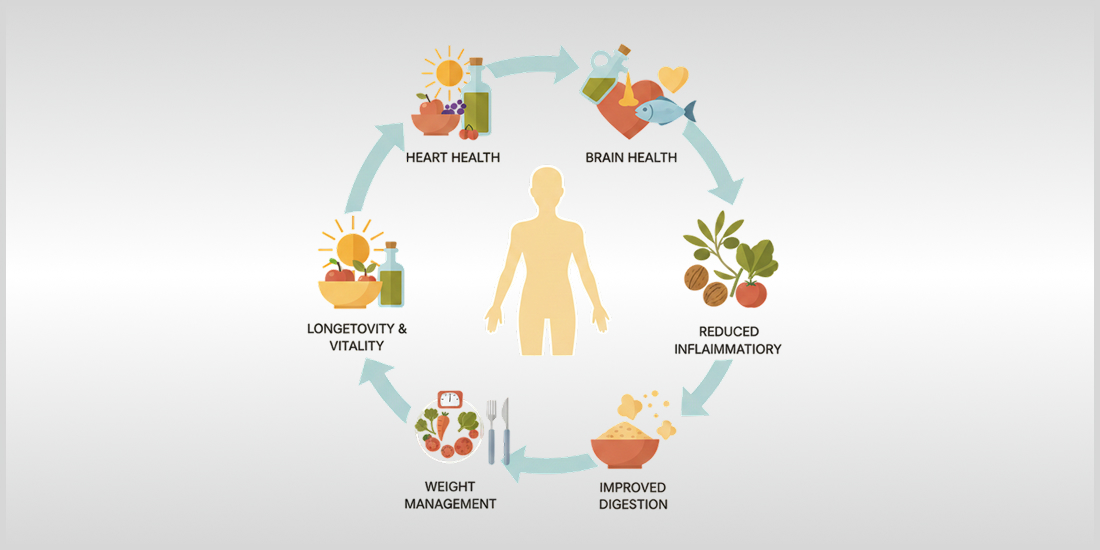
The Mediterranean diet not only supports physical health but also aligns with modern lifestyle needs. Its emphasis on whole foods, moderate portions and healthy fats helps manage weight, reduce inflammation and improve mental clarity. Integrating these habits into a busy routine is achievable with simple meal planning and mindful eating practices. Nutritional products from VSparkel provide convenient Mediterranean-inspired foods and supplements that make it easier for individuals to maintain daily wellness, ensuring that the benefits of this proven diet are accessible, practical and enjoyable in contemporary life.
Conclusion
The Mediterranean diet is a natural, science-backed approach to long-term health, supporting heart, brain, digestive and immune function. By including vegetables, fruits, whole grains, nuts, olive oil and lean proteins in daily meals, individuals can improve energy, prevent chronic diseases and enjoy sustainable wellness. Indian adaptations make it accessible and enjoyable, combining traditional flavors with global health benefits. With solutions from V Sparkel, adopting the Mediterranean diet has never been easier, making holistic nutrition and long-term health practical for modern lifestyles.
FAQs
1. What foods are included in the Mediterranean diet?
Fruits, vegetables, whole grains, nuts, olive oil, legumes and lean proteins are the core foods.
2. How does the Mediterranean diet improve heart health?
Healthy fats, antioxidants and omega-3s reduce inflammation and support cardiovascular function.
3. Can the Mediterranean diet prevent diseases naturally?
Yes, it lowers the risk of heart disease, diabetes and chronic inflammation naturally.
4. How to follow the Mediterranean diet in Indian cuisine?
Use local vegetables, pulses, spices and healthy oils to adapt Mediterranean principles to Indian meals.