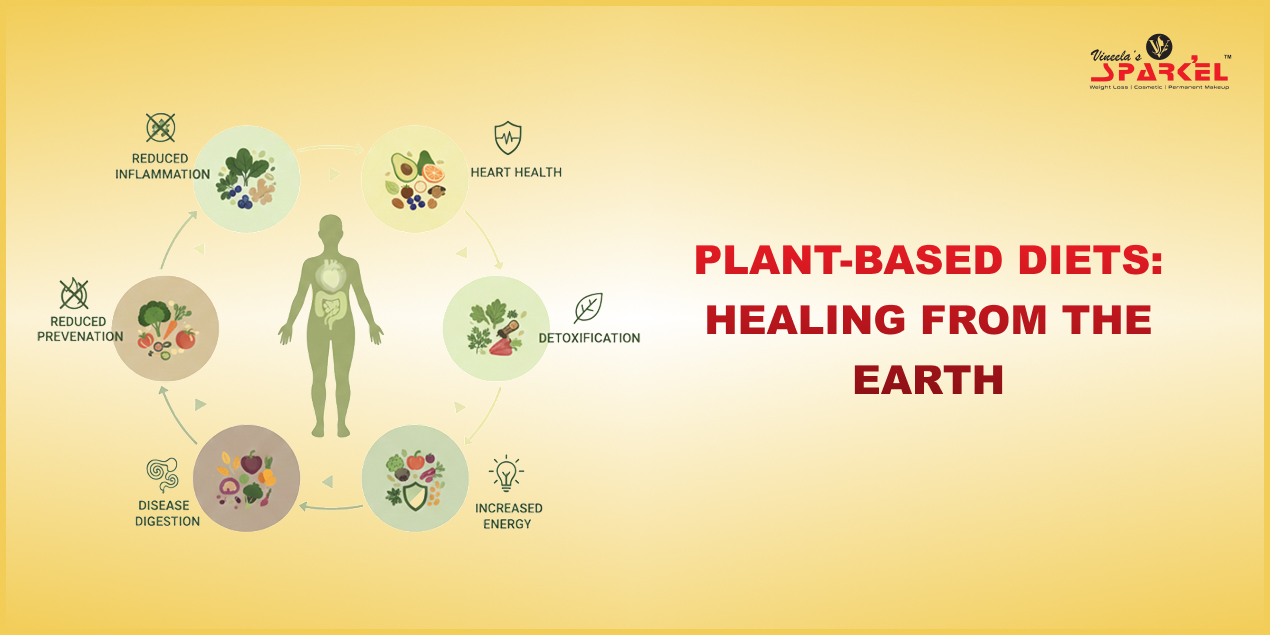
Plant-Based Diets: Healing from the Earth
Plant-based diets are rapidly gaining popularity as more people seek natural, sustainable ways to improve health and prevent chronic illnesses. By focusing on whole foods derived from plants, these diets provide essential nutrients that support digestion, immunity, energy and overall wellness. Modern lifestyles often contribute to digestive issues, inflammation and reduced immunity, making Plant-Based Diets a compelling solution. With their roots in traditional Indian meals as well as global nutrition science, plant-based diets offer a holistic approach to healing from the earth while promoting long-term health.
Understanding Plant-Based Diets and Their Healing Power
Plant-based diets consist primarily of foods derived from vegetables, fruits, legumes, pulses, nuts, seeds and whole grains, while limiting or avoiding processed and animal-based products. These diets are known to reduce inflammation, improve gut health and strengthen immunity. Unlike strict vegan diets, plant-based eating emphasizes nutrient-dense foods for optimal health, making it accessible and practical for most people. Regularly consuming these foods provides natural compounds and antioxidants that help the body repair itself, reduce digestive discomfort and support overall vitality.
Key Plant-Based Foods and Their Benefits
Certain plant-based foods have remarkable healing properties. Leafy greens supply essential vitamins and minerals, legumes and pulses aid in digestion and protein intake and nuts and seeds boost immunity and heart health. Whole grains provide sustained energy, while fermented foods contribute beneficial probiotics to the gut. Indian plant-based meals such as lentil soups, vegetable curries and fermented yogurt dishes, combine these ingredients in delicious ways, making it easier to integrate natural healing into daily routines. Incorporating a variety of these foods ensures balanced nutrition and sustained wellness.
How to Incorporate Plant-Based Diets into Daily Life
Integrating plant-based foods into daily meals can be simple and practical. By planning meals around seasonal fruits, vegetables, whole grains and legumes, individuals can ensure Nutrient-Rich Diets that support gut health and immunity. Small adjustments, such as adding greens to breakfast, using spices like turmeric for anti-inflammatory benefits, or enjoying nuts as snacks, make plant-based eating sustainable. For busy households, ready-to-use natural powders or blends can simplify inclusion of healing foods without compromising on convenience or nutrition.
Plant-Based Diets for Modern Health and Lifestyle
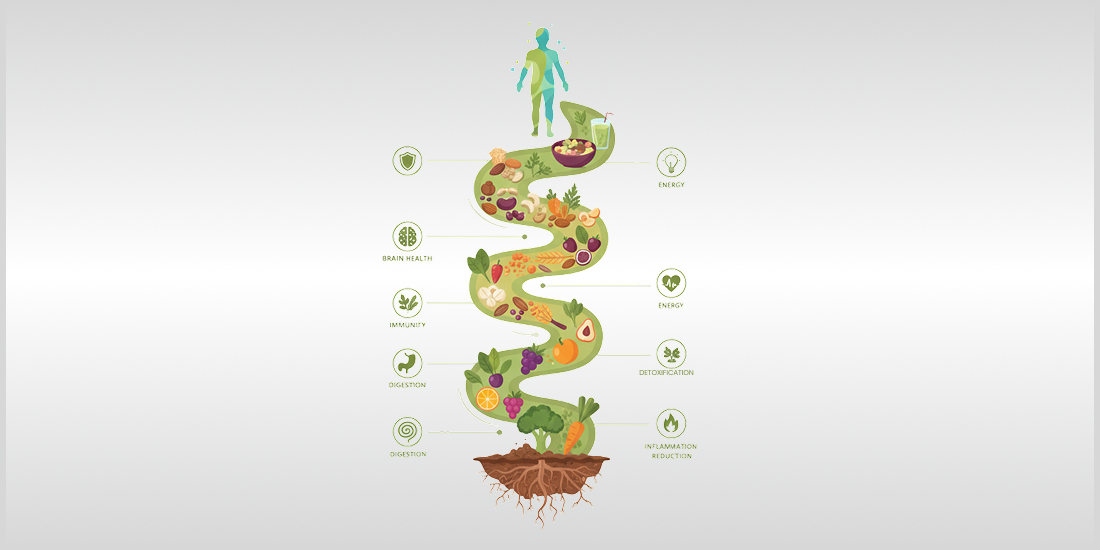
Plant-based diets are not only beneficial for physical health but also for mental well-being, energy management, and disease prevention. They reduce the risk of lifestyle-related conditions such as heart disease, diabetes, and digestive disorders, while promoting a sustainable approach to nutrition. By aligning traditional Indian food wisdom with modern health research, plant-based diets offer a natural, balanced way to enhance daily life. Nutrition like VSparkel provide nutrient-rich plant-based products that make it easier for individuals to adopt these diets, combining convenience with science-backed wellness.
Conclusion
Plant-based diets represent a holistic approach to healing, balancing modern nutrition needs with the wisdom of natural foods. By focusing on vegetables, fruits, whole grains, legumes, nuts and seeds, individuals can improve digestion, immunity and overall energy while preventing chronic illnesses. Incorporating plant-based meals into everyday life supports sustainable health practices and long-term wellness. With solutions from V Sparkel, embracing plant-based nutrition has never been easier or more practical, making natural healing accessible for all.
FAQs
1. What are plant-based diets?
Diets that focus primarily on vegetables, fruits, legumes, nuts, seeds, and whole grains.
2. Can plant-based diets improve immunity and digestion?
Yes, plant-based foods support gut health and enhance immune function naturally.
3. Which foods are essential in a plant-based diet?
Leafy greens, legumes, pulses, nuts, seeds, whole grains, and fermented foods.
4. Are plant-based diets suitable for Indian cuisine?
Absolutely, traditional Indian meals are rich in plant-based, nutrient-dense ingredients.