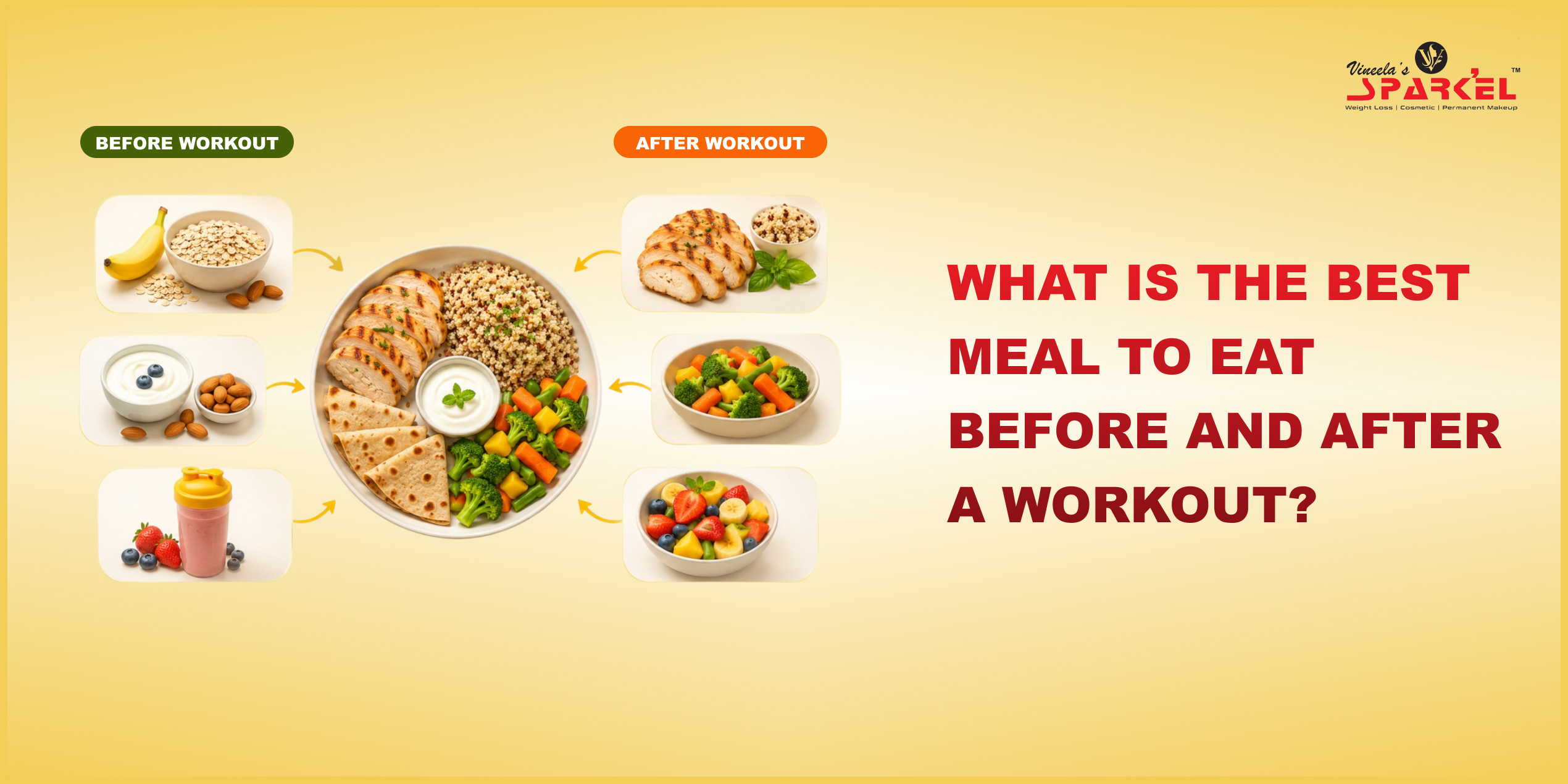
What Is the Best Meal to Eat Before and After a Workout?
Proper nutrition is just as important as exercise when it comes to achieving fitness goals. Choosing the best meal to eat before and after a workout can significantly improve your energy levels, workout performance, muscle recovery and overall health. A well-balanced pre-workout meal provides a body with the fuel needed to perform at its best, while a nutrient-rich post-workout meal helps replenish glycogen stores and supports muscle repair. Including a healthy balance of protein, complex carbohydrates, healthy fats, vitamins and minerals ensures a body receives optimal nutrition for every workout.
Why Is Workout Nutrition Important?
Workout nutrition plays a crucial role in achieving fitness goals, improving athletic performance and supporting overall health and wellness. Proper nutrition before, during and after exercise provides the body with the essential nutrients needed to maximize energy levels, enhance endurance and accelerate recovery. Consuming the right balance of carbohydrates, proteins, healthy fats, vitamins and minerals helps fuel workouts effectively while preventing fatigue and muscle breakdown. Pre-workout nutrition prepares the body for physical activity by supplying adequate energy, whereas post-workout nutrition aids in muscle repair, glycogen replenishment and recovery. Maintaining a well-balanced workout nutrition plan can also improve metabolism, support weight management and reduce the risk of injuries. Additionally, proper hydration and nutrient timing contribute significantly to optimal physical performance and long-term fitness success. Developing healthy eating habits alongside a regular exercise routine can lead to sustainable results and enhanced overall well-being.
What Should You Eat Before a Workout?
A well-balanced pre-workout meal provides the body with the necessary energy to perform physical activities effectively while helping to prevent fatigue and muscle breakdown. Consuming the right combination of carbohydrates, protein and healthy fats before exercise can enhance stamina, improve focus and optimize workout results. Foods such as whole grains, fruits, yogurt, lean proteins and nuts are excellent options that fuel the body and support muscle function. The timing of your pre-workout meal is equally important, as eating too early or too late can affect performance. By following a strategic pre-workout nutrition plan, individuals can boost energy levels, improve recovery and maintain long-term health and fitness success.
Best Pre-Workout Meals for Beginners
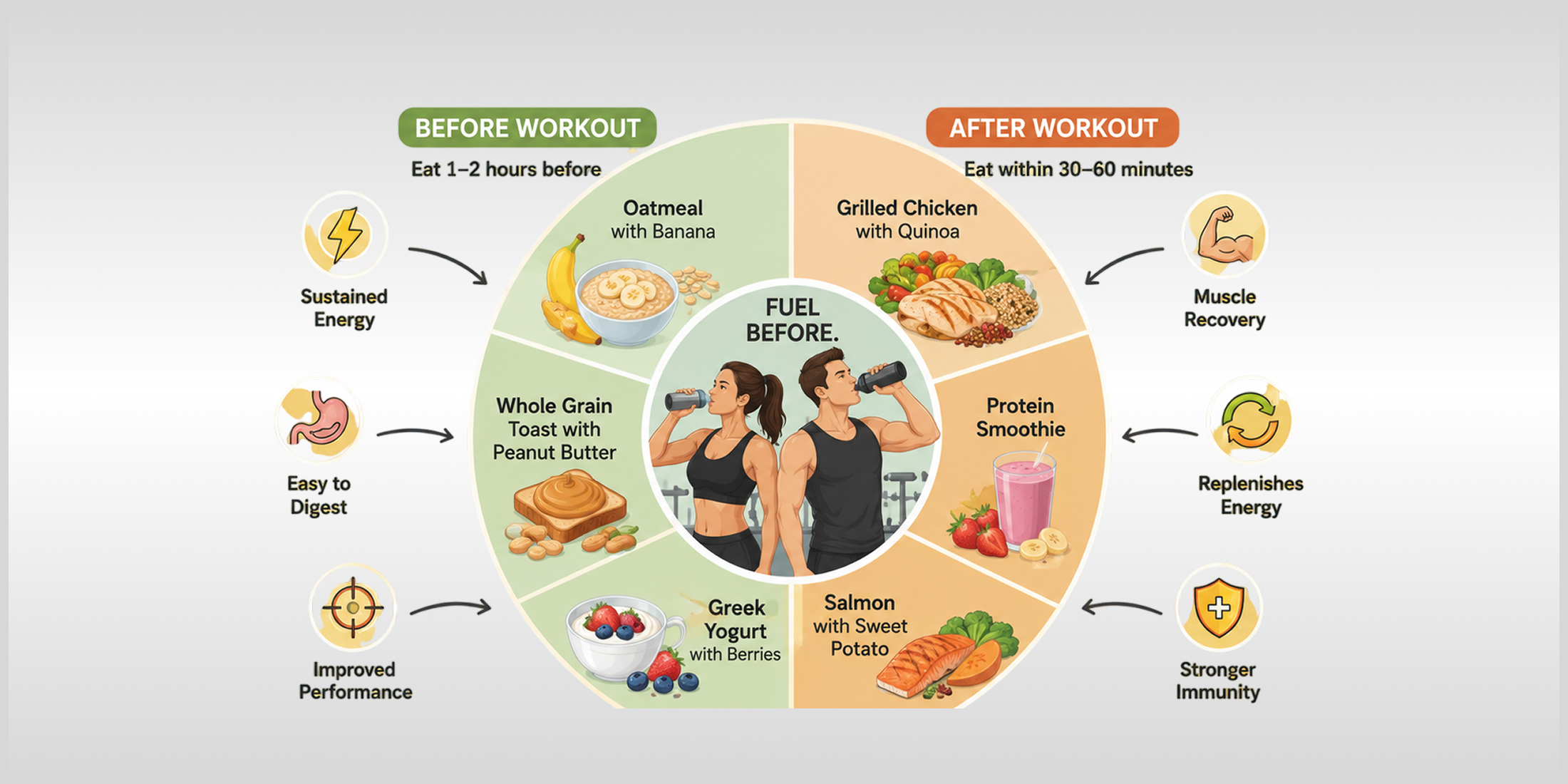
Choosing the best pre-workout meals for beginners is essential for improving exercise performance, boosting energy levels and supporting overall fitness goals. A well-balanced pre-workout meal provides the body with the necessary nutrients, particularly carbohydrates and protein, to fuel workouts effectively and enhance endurance. Beginners should focus on consuming easily digestible foods such as oatmeal with fruits, whole-grain toast with peanut butter, yogurt with berries or a banana with nuts approximately 30 to 90 minutes before exercising. These nutrient-rich options help maintain steady energy levels, prevent fatigue and promote better workout performance. Proper pre-workout nutrition also supports muscle recovery, improves concentration and reduces the risk of feeling weak or exhausted during exercise sessions. By incorporating healthy and balanced pre-workout meals into a fitness routine, beginners can maximize their workout results and build sustainable, long-term healthy habits.
What Should You Eat After a Workout?
After completing a workout, a body requires the right nutrients to recover, rebuild and restore energy levels effectively. Eating a balanced post-workout meal plays a crucial role in muscle recovery, glycogen replenishment and overall fitness performance. The ideal post-workout nutrition plan should include a combination of high-quality protein, healthy carbohydrate and essential nutrients. Protein helps repair and build muscle tissue, while carbohydrates restore the energy lost during exercise. Foods such as eggs, chicken breast, Greek yogurt, bananas, oatmeal, sweet potatoes and protein smoothies are excellent post-workout choices. Consuming these nutrients within 30 to 60 minutes after exercising can maximize recovery benefits. Proper hydration is equally important, as it helps replace fluids lost through sweat and supports optimal body function. Developing healthy eating habits after exercise not only enhances physical performance but also supports long-term wellness and fitness goals. A well-planned post-workout meal can help reduce muscle soreness, boost energy levels and improve recovery time.
Best Post-Workout Meals for Recovery and Weight Loss
Choosing the best post-workout meals for recovery and weight loss is essential for achieving fitness goals and maintaining overall health. After exercise, the body requires the right balance of nutrients to repair muscles, replenish energy stores and support fat loss. A well-planned post-workout meal containing lean protein, healthy carbohydrates and essential nutrients can significantly improve recovery and enhance performance. Foods such as grilled chicken, eggs, Greek yogurt, fish, sweet potatoes, fruits and whole grains are excellent choices for post-exercise nutrition. Consuming a nutritious meal within the recovery window can help reduce muscle soreness, boost metabolism, and promote healthy weight management. By incorporating balanced and nutrient-dense meals into a fitness routine, that can maximize recovery while supporting sustainable and healthy weight loss outcomes.
When Should You Eat Before and After Exercise?
Timing a meal before and after exercise plays a crucial role in maximizing workout performance, improving recovery and supporting overall health goals. Eating the right foods before a workout provides the body with the energy needed to perform effectively and maintain endurance. Ideally, a balanced meal containing carbohydrates, protein and healthy fats should be consumed two to three hours before exercise, while a light snack can be eaten 30 to 60 minutes prior if needed. Post-workout nutrition is equally important, as it helps replenish glycogen stores, repair muscle tissue and accelerate recovery. Consuming a combination of protein and carbohydrates within 30 to 60 minutes after exercise can support muscle growth and reduce fatigue. The best pre- and post-workout meal timing may vary depending on the intensity, duration and type of physical activity performed. Establishing a proper nutrition schedule around workouts can enhance performance, promote healthy weight management and contribute to long-term fitness success. Developing consistent eating patterns around workouts helps improve physical performance, support recovery and establish sustainable lifestyle habits that contribute to long-term success.
Can You Exercise on an Empty Stomach?
Exercising on an empty stomach, commonly known as fasted exercise or fasted cardio, has become a popular topic among fitness enthusiasts and individuals aiming for effective weight loss. This approach involves performing physical activities before consuming any food, typically in the morning after an overnight fast. However, the effectiveness and safety of fasted workouts can vary depending on factors such as exercise intensity, duration, overall health and fitness objectives. While some people experience improved focus and fat-burning benefits, others may face reduced energy levels or decreased performance.
Building Sustainable Workout Nutrition Habits
Building sustainable workout nutrition habits is essential for achieving long-term fitness goals, improving athletic performance and maintaining overall health. Rather than following restrictive diets or short-term trends, adopting consistent and balanced nutritional practices helps support the body's energy demands during exercise and recovery. A sustainable workout nutrition plan focuses on consuming nutrient-dense foods, including lean proteins, whole grains, healthy fats, fruits and vegetables, while maintaining proper hydration. Planning meals around workout schedules can enhance endurance, muscle recovery and metabolic efficiency. Developing healthy eating routines, practicing portion control and making mindful food choices contribute to lasting lifestyle changes and improved physical performance. Additionally, consistency in nutrition habits helps prevent energy fluctuations, reduces the risk of burnout and supports sustainable weight management. By prioritizing balanced nutrition and creating realistic dietary habits, individuals can build a strong foundation for lifelong fitness success and overall wellness.
Conclusion
Choosing the best meal before and after a workout is essential for maximizing energy, improving performance and supporting muscle recovery. A balanced combination of carbohydrates, protein and healthy fats can help optimize fitness results and promote overall wellness. Consistent workout nutrition habits also contribute to sustainable weight management and long-term health benefits. By making informed dietary choices and maintaining a well-structured nutrition plan, individuals can achieve their fitness goals more effectively. At VSparkel, we believe that the right nutrition strategy is the foundation of a healthier, stronger and more active lifestyle.
FAQs
1. What is the best meal to eat before a workout?
The best meal before and after workout begins with a balanced pre-workout meal containing complex carbohydrates, moderate protein and healthy fats. Foods such as oatmeal with fruits, eggs with whole-grain toast, yogurt with nuts or smoothies provide sustained energy and improve workout performance.
2. What should I eat after a workout for weight loss?
After exercise, consuming protein-rich foods combined with healthy carbohydrates supports muscle recovery and promotes fat loss. Options such as grilled chicken with vegetables, fish with brown rice, Greek yogurt with fruits or protein smoothies can effectively support recovery while maintaining calorie control.
3. How long before and after a workout should I eat?
Most experts recommend eating a balanced meal one to three hours before exercise and consuming recovery nutrition within one to two hours after physical activity.