Regional Variations in Indian Diets
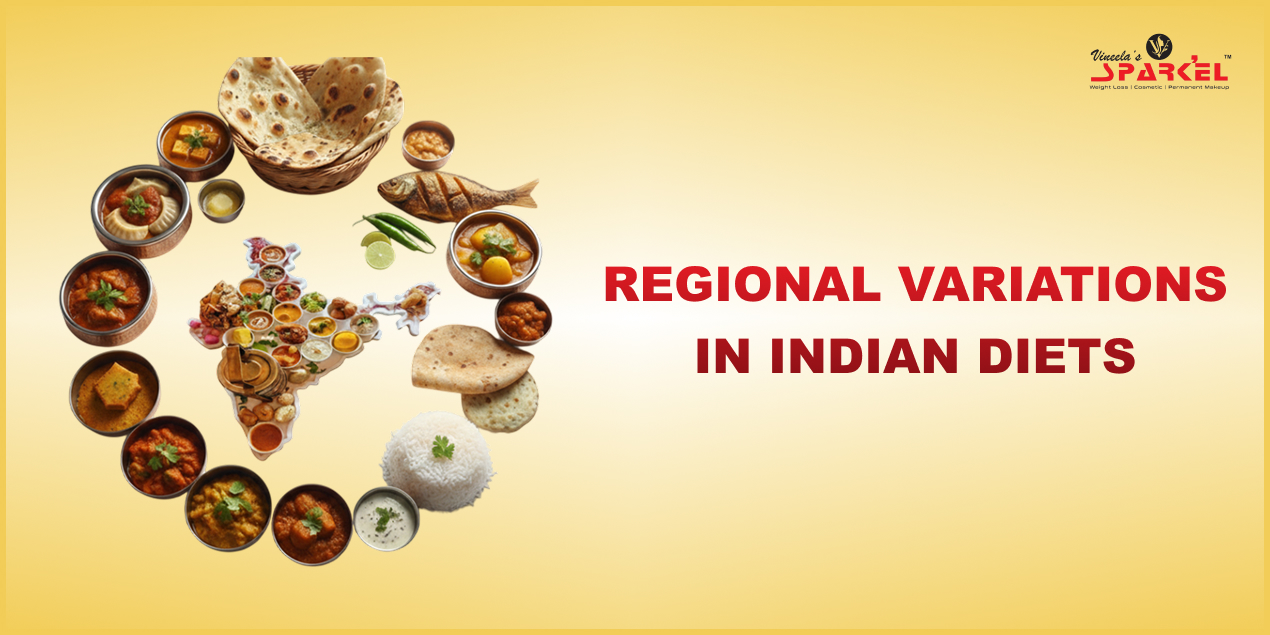
Food in India is far more than a matter of flavor, it represents climate, culture, geography and centuries of evolving traditions. Every region carries its own identity through the meals people prepare and enjoy. From rice-rich coastal lands to wheat-dominated northern plains, Indian Diets change dramatically from state to state.
Why Do Indian Diets Vary Across Regions?
India’s dietary diversity comes primarily from its natural environment and the resources readily available in each location. Climate patterns, soil types, rainfall and agricultural output all shape what grows well in a region and what becomes part of everyday meals. Food traditions are also deeply influenced by cultural rituals, community customs and age-old cooking practices. Over centuries, migration, trade routes and intermingling communities added more layers of flavor and technique making Indian regional diets some of the most diverse in the world.
Dietary Patterns in North and South India
One of India’s clearest dietary contrasts is seen between the North and the South. Northern cuisine is rooted in wheat-based dishes like chapati, paratha, and naan paired with rich gravies, dairy-loaded preparations and warm spices that bring depth and fullness to meals. In comparison, South Indian diets center around rice, lentils, coconut-based dishes and fermented foods. Idli, dosa, sambar and rasam offer lighter, more digestive-friendly meals shaped by coastal climate and tropical produce. Differences in cooking oils, staple grains and preparation styles reflect how geography and weather influence the everyday plates of Indian households.
Dietary Patterns in East and West India
Eastern India follows a gentler culinary style with subtle flavors, abundant rice and a strong emphasis on fish. Bengali meals often showcase a balance of sweet and savory, while Assamese food highlights earthy, natural ingredients. Western India, shaped by its semi-arid environment, leans toward dry, spicy and mildly sweet dishes. Gujarat’s mainly vegetarian meals include a signature touch of sweetness, while Rajasthan’s cuisine depends heavily on bajra and dishes suited for water-scarce areas. Maharashtra offers both coastal seafood and inland grain-based meals, reflecting its varied geography. These preferences show how culture and environment work together to shape food habits.
State-Wise Indian Diet Habits
Kerala’s traditional diet is built around coconut, red rice and seafood supported by abundant tropical produce. Andhra Pradesh and Telangana are known for bold, spicy flavors built on rice, lentils and an increasing inclusion of millets, especially in Telangana’s evolving food culture. Punjab’s diet is defined by wheat, dairy and hearty meals suited for colder weather. Gujarati cuisine promotes a balanced vegetarian lifestyle with grains, vegetables and mild sweetness. These state-specific habits reveal how deeply India's diversity is expressed even within short physical distances.
Regional Indian Diets for a Healthy Lifestyle
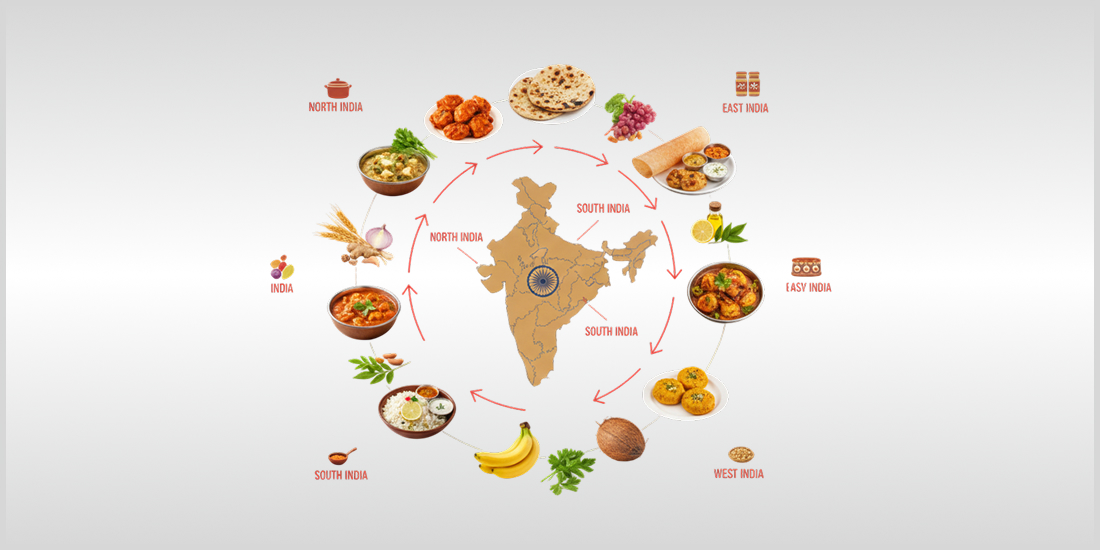
Many traditional regional diets in India naturally align with modern wellness goals. South Indian Meals are rich in fermented foods that enhance digestion. Coastal regions make use of fresh herbs, spices and seafood that support heart health. Western Indian diets incorporate fiber-rich millets like jowar and bajra, ideal for weight maintenance. Northern regions rely on whole grains, dairy and lentils that provide warmth and lasting energy. Each regional diet carries its own nutritional strengths, making Indian foods extremely adaptable to varied lifestyles.
How Geography Shapes Indian Food Habits
In mountainous regions such as Kashmir and Himachal Pradesh, diets rely on warming foods like rajma, rotis, dairy and herbal teas to face the cold climate. Coastal states including Goa, Kerala and Tamil Nadu depend on rice, coconut and seafood because these ingredients are fresh and naturally abundant. Dry regions such as Rajasthan and parts of Gujarat use durable grains and prepare dishes suited to low-water environments. Geography continues to play a major role in shaping regional diets even today.
Conclusion
India’s regional cuisines showcase a rich blend of cultural heritage, local ingredients and centuries of culinary evolution. Exploring these variations helps us appreciate the depth and meaning behind Indian meals and guides us in choosing foods that honor both tradition and health. When regional flavors blend with modern wellness, they create a harmonious, nourishing approach to living. Embracing this diversity becomes even more meaningful with initiatives like VSparkel, which supports mindful eating and whole-food nutrition as part of making healthier daily choices.
FAQ
1. Why are diets across regions in India so different?
Diets vary because each region has its own climate, soil, agricultural produce and cultural traditions that shape what people cook and eat. Over time, communities naturally adapt their meals to their environment.
2. How do North and South Indian diets differ?
North Indian diets revolve around wheat, dairy and rich gravies while South Indian meals focus on rice, lentils, coconut and fermented dishes, influenced largely by the warmer coastal climate.
3. What is the general trend of meals consumed every day in each Indian state?
Daily meals differ widely. Kerala uses coconut and rice, Punjab depends on wheat and dairy, Bengal focuses on fish and rice and Gujarat prepares vegetarian dishes with mild sweetness.