The Psychology of Eating And Habit Formation
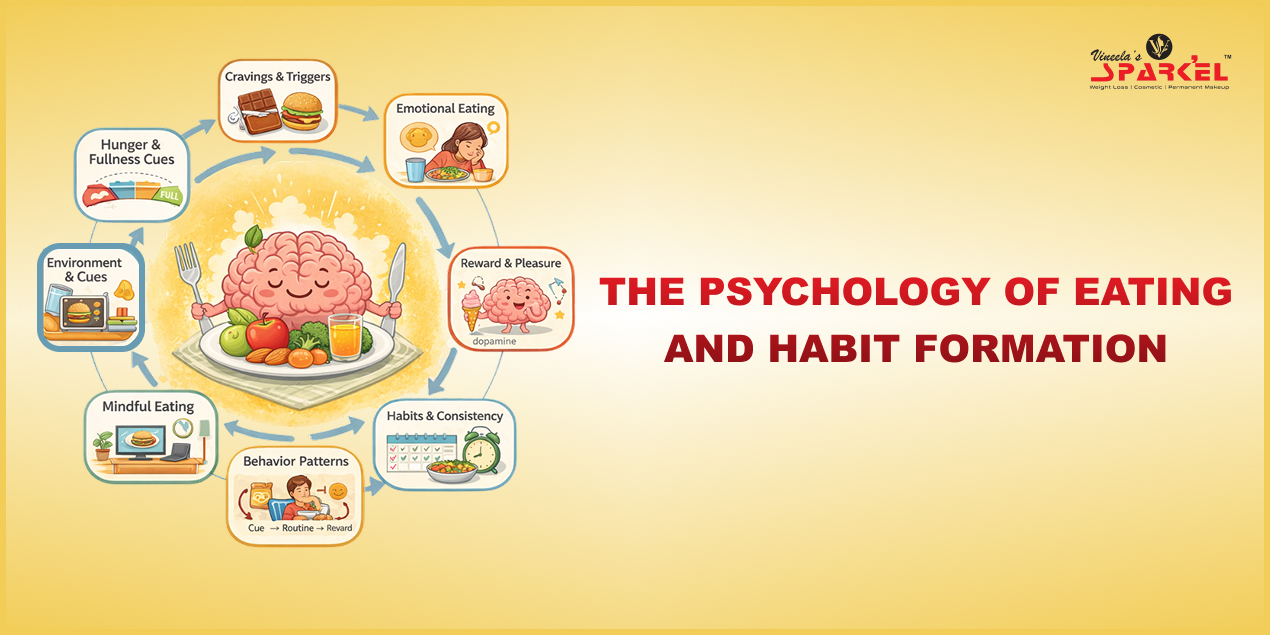
Human eating behavior is largely governed by psychological processes rather than conscious decision-making. From childhood, the brain forms associations between food and emotional states such as comfort, reward, celebration or relief. Over time, these associations become automatic responses, influencing food choices without deliberate thought. This explains why people often reach for familiar foods even when healthier options are available. The mind also relies on cognitive shortcuts to simplify decisions. When routines are established, the brain conserves energy by repeating familiar eating patterns rather than evaluating each choice independently. As a result, eating habits become embedded into daily life, shaped by beliefs, past experiences and emotional memory. These psychological patterns reinforce consistency, making habits feel natural and effortless, even when they are not beneficial.
The Habit Loop and the Formation of Eating Behavior
At the core of eating habit formation lies a psychological loop that drives repetition and strongly influences weight management. This loop begins with a cue, such as the time of day, emotional state or an environmental trigger, followed by a craving that signals the brain’s desire for comfort or reward. The response is the act of eating and the reward reinforces the behavior by providing pleasure, relief, or satisfaction, often without conscious awareness of calorie intake or portion size.
When this loop is repeated frequently, it becomes automatic. The brain starts anticipating the reward as soon as the cue appears, making the habit harder to break and directly impacting Weight Management efforts. This explains why unhealthy eating patterns persist even when individuals understand their negative effects on health and weight. Over time, the habit becomes less about food itself and more about fulfilling a psychological expectation, which can either support sustainable weight management or contribute to weight gain depending on the behaviors being reinforced.
Emotional and Environmental Influences on Eating Patterns
Emotions play a powerful role in shaping eating behavior. Stress, anxiety, boredom and even happiness can act as triggers that influence food choices. Emotional eating occurs when food becomes a coping mechanism rather than a source of nourishment. In these moments, the brain seeks quick comfort, often leading to cravings for high-sugar or high-fat foods that stimulate dopamine release. Environmental factors further strengthen these patterns. Constant exposure to food advertisements, easy access to snacks, digital distractions and social cues subtly guide eating behavior throughout the day. These influences operate largely at a subconscious level, making it difficult to recognize how surroundings shape decisions. Over time, the environment and emotions work together to reinforce habits that feel natural but are psychologically conditioned.
Building Healthier Eating Habits Through Psychological Awareness
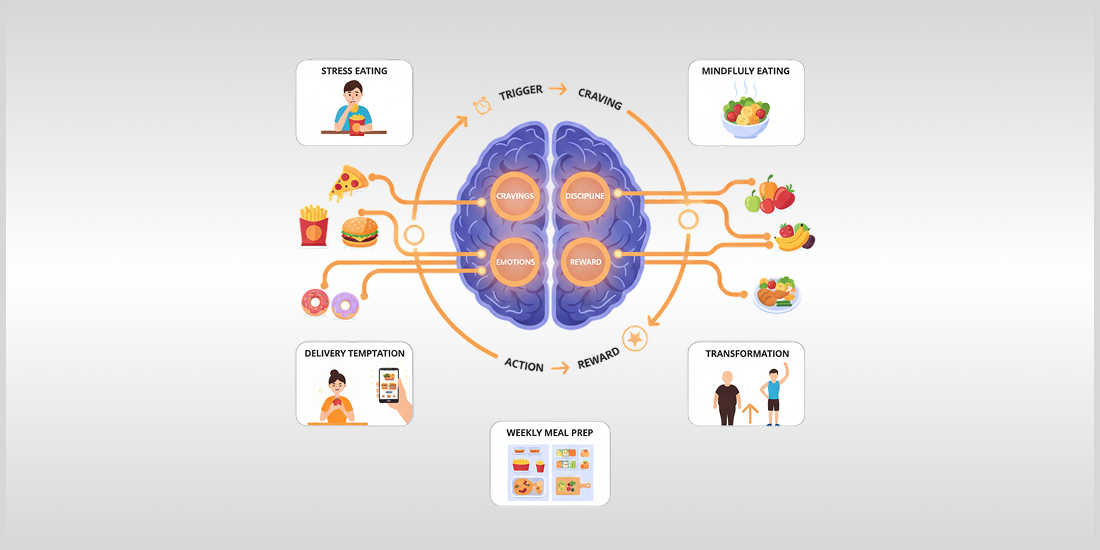
Changing eating habits requires more than discipline, it requires understanding how the mind works. Awareness of psychological triggers allows individuals to interrupt automatic patterns and replace them with healthier responses. Instead of relying on restriction, effective habit change focuses on modifying cues, adjusting environments and creating new reward systems that support long-term behavior change. When eating habits are aligned with identity and self-perception, they become more sustainable. Viewing healthy eating as part of who a person is, rather than something they temporarily do, strengthens consistency. Over time, small psychological adjustments compound into lasting habits, reshaping eating behavior in a way that feels natural rather than forced.
Conclusion
The psychology of eating and habit formation reveals that lasting change does not come from strict control but from insight and awareness. Eating behaviors are deeply rooted in emotional responses, environmental cues and automatic habit loops that guide daily decisions. By understanding these mechanisms, individuals can move beyond guilt and frustration and begin creating healthier patterns that align with how the brain naturally functions.
Nutrition like VSparkel emphasize the importance of behavior-driven insights over surface-level solutions, reinforcing the idea that meaningful change begins with understanding human psychology. When eating habits are approached through this lens, transformation becomes sustainable, empowering and long-lasting rather than temporary.
FAQs
1. What influences eating habits psychologically?
Eating habits are influenced by a combination of emotional states, past experiences, learned behaviors and subconscious associations.
2. Why is changing eating habits so difficult?
Changing eating habits is challenging because habits operate at a subconscious level. Once a behavior is reinforced by a reward, the brain resists change to conserve energy.
3. How do emotions affect eating behavior?
Emotions influence eating by triggering cravings that provide temporary relief or comfort. Stress, anxiety and boredom commonly activate emotional eating, as the brain seeks dopamine to regulate mood.
4. How long does it take to form healthy eating habits?
Healthy eating habits form gradually through consistent repetition and psychological reinforcement. While timelines vary, habits strengthen when cues, responses and rewards are aligned with long-term goals.