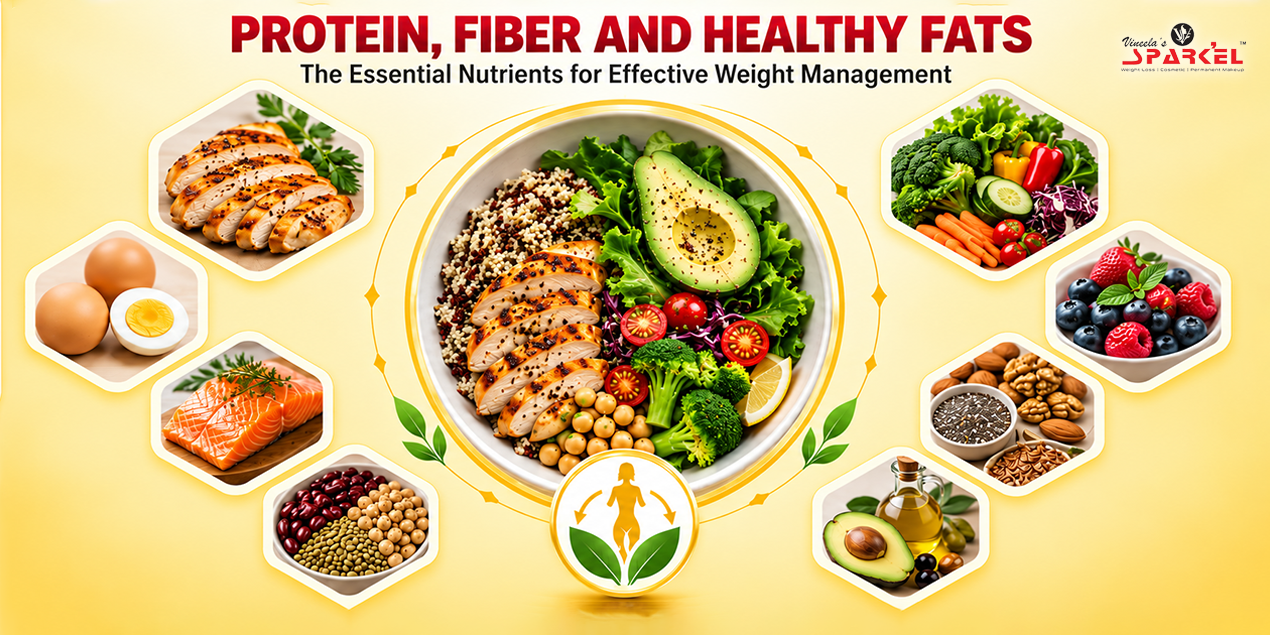
Protein, Fiber and Healthy Fats: The Essential Nutrients for Effective Weight Management
Effective Weight Management depends less on cutting out entire food groups and more on getting the right balance of key nutrients. Protein, fiber and healthy fats each play a distinct role in keeping you full, energized and supported through your weight loss journey. Rather than following restrictive diets, focusing on these three nutrients can help you build meals that are satisfying and sustainable. Together, they help manage hunger, stabilize energy levels and support overall nutrition. Understanding how to include them in everyday meals can make long term weight management much easier to maintain.
What Should You Eat for Balanced Weight Management?
Balanced weight management starts with meals that combine protein, fiber and healthy fats in appropriate portions. Protein rich foods such as eggs, lean meats, fish, lentils and Greek yogurt help support fullness and muscle health. Fiber rich foods like vegetables, fruits, whole grains and legumes support digestion and help manage appetite throughout the day. Healthy fats from nuts, seeds, avocados and olive oil provide essential nutrients and lasting satisfaction between meals. Choosing whole, minimally processed foods over highly processed options can further support balanced and effective weight management.
Why Protein Matters for Weight Management
Protein plays a key role in supporting fullness, preserving muscle mass and managing hunger throughout the day. Foods such as eggs, chicken, fish, paneer, tofu, beans and lentils are excellent sources of protein for everyday meals. Including protein at each meal can help reduce frequent hunger and support more consistent eating patterns. Protein also plays an important role in maintaining muscle during weight loss, which supports overall metabolic health. Spreading protein intake evenly across meals, rather than concentrating it at one meal, can further support fullness and energy.
Why Fiber Matters for Weight Management
Fiber supports digestion, helps regulate blood sugar levels and plays an important role in maintaining fullness after meals. Vegetables, fruits, whole grains, legumes and seeds are all excellent sources of dietary fiber. Including fiber rich foods at each meal can help slow digestion and support steadier energy levels throughout the day. Fiber can also support a healthy gut, which plays a role in overall digestion and nutrient absorption. Gradually increasing fiber intake, along with adequate water, can help you build this habit comfortably over time.
Why Healthy Fats Matter for Weight Management
Healthy fats are an essential part of a balanced diet and should not be avoided when managing weight. Nuts, seeds, avocados, olive oil and fatty fish provide healthy fats that support hormone function and nutrient absorption. Including healthy fats in meals can also improve satisfaction and help reduce the urge to snack frequently. Choosing unsaturated fats over highly processed or fried options supports better long term nutrition. Enjoying healthy fats in appropriate portions allows you to support fullness without exceeding your overall calorie needs.
Best Indian Foods Rich in Protein, Fiber and Healthy Fats
Traditional Indian foods offer plenty of options that are naturally rich in protein, fiber and healthy fats. Include protein sources such as dal, chickpeas, paneer, tofu and curd as regular parts of your meals. Choose fiber rich options like whole grain roti, brown rice, millets and a variety of vegetables and legumes. Healthy fats can come from nuts, seeds, ghee in moderation and cooking oils such as mustard or groundnut oil. Enjoying these familiar foods in balanced portions makes it easier to support weight management without giving up traditional meals.
Foods to Limit for Better Weight Management
Supporting weight management does not require eliminating all indulgent foods, but limiting certain choices can help. Reducing sugary drinks, refined carbohydrates, fried snacks and highly processed foods can support better overall nutrition. These foods are often low in protein and fiber, which can make it harder to feel full and satisfied. Practicing portion control with calorie dense foods such as nuts, oils and sweets can also support balanced eating. A flexible approach that allows occasional treats tends to be easier to maintain than strict, all or nothing rules.
How to Build a Balanced Meal with These Nutrients
Building a balanced meal is easier when you include a source of protein, fiber and healthy fat in each sitting. For breakfast, try eggs with vegetables and a slice of whole grain toast, or Greek yogurt with oats, seeds and fruit. Lunch and dinner can include dal, paneer, tofu, fish, chicken, beans or lentils paired with vegetables and a portion of whole grains. Healthy snacks such as fruit with nuts, roasted chickpeas or yogurt can help manage hunger between meals. This simple structure makes it easier to build satisfying meals without needing to count every ingredient.
Sample One Day Meal Plan for Weight Management
A balanced one day meal plan can start with eggs and vegetables or unsweetened yogurt with oats and fruit for breakfast. For lunch, choose dal, mixed vegetables and whole grain roti or a moderate portion of brown rice. Healthy snacks such as a small handful of nuts, roasted chickpeas or a piece of fruit can help manage hunger between meals. Dinner can include protein rich foods like tofu, paneer, fish, chicken, beans or lentils alongside a generous portion of vegetables. Staying well hydrated with water throughout the day supports overall healthy eating habits.
Common Mistakes That Can Affect Weight Management
Certain common habits can make weight management harder to maintain over time. Skipping protein at meals or relying mainly on refined carbohydrates can lead to more frequent hunger and inconsistent energy. Avoiding healthy fats entirely can reduce meal satisfaction and make it harder to stick to a balanced routine. Not including enough fiber can also affect digestion and make it harder to feel full after meals. Instead of following extreme restrictions, focusing consistently on protein, fiber and healthy fats tends to support more sustainable results.
Why Balanced Nutrition Matters for Long Term Results
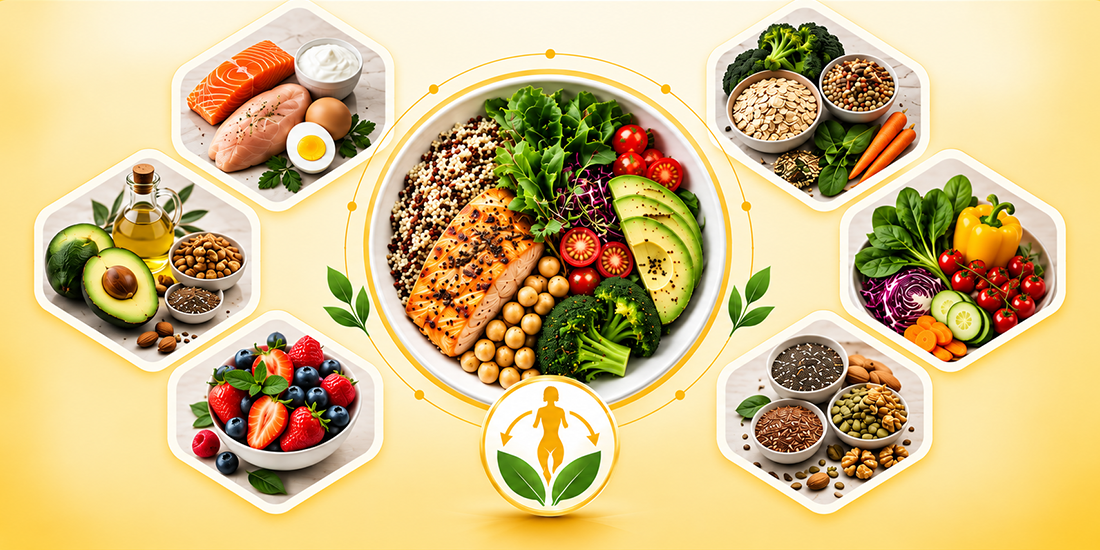
Long term weight management is best supported by consistent, balanced nutrition rather than short term or restrictive diets. Including protein, fiber and healthy fats in your everyday meals helps support fullness, energy and overall nutrition. Choosing foods that fit your schedule, preferences and cultural habits makes healthy eating easier to maintain over time. Rather than relying on any single food or nutrient, a well rounded approach supports steadier, more sustainable progress. Combining these nutrients with regular physical activity and healthy habits can further support your long term weight management goals.
Conclusion
Protein, fiber and healthy fats each play an essential role in supporting effective and sustainable weight management. Choosing balanced meals built around these nutrients can help support fullness, energy and long term nutrition without unnecessary restriction. V Sparkel encourages practical, balanced eating habits that fit naturally into your everyday routine rather than extreme or short term approaches. Staying hydrated, eating consistently and practicing mindful portion control can further support your goals. With a balanced and consistent approach, protein, fiber and healthy fats can become the foundation of sustainable weight management.
FAQs
1. Why are protein, fiber and healthy fats important for weight management?
Protein, fiber and healthy fats support fullness, steady energy and overall nutrition, making them essential building blocks for sustainable and effective weight management.
2. Can Indian foods provide enough protein, fiber and healthy fats?
Yes, foods like dal, paneer, tofu, whole grains, nuts and vegetables can provide balanced protein, fiber and healthy fats when included in appropriate portions.
3. How can I include these nutrients in my daily meals?
Include a source of protein, fiber and healthy fat at each meal, such as eggs with vegetables, dal with whole grain roti, or yogurt with nuts and fruit.