Preventing CardioVascular Issues through Diet
Cardiovascular disease is one of the leading causes of death worldwide. On the other hand, you can significantly lower your risk with a Heart-healthy Diet. Food directly affects cholesterol levels, blood pressure and artery health. By making just a few simple alterations in your eating habits, you will be able to keep your heart healthy, your energy high and fundamentally feel better. Knowing what foods to include in your diet and which to avoid is the first step toward a longer and healthier life.
Why Diet Matters for Cardiovascular Health
Good nutrition remains to this day one of the most potent preventive measures for cardiovascular diseases. Poor nutrition leads to high levels of cholesterol and plaque formation, which acts as a cause for high blood pressure. The continued intake of healthy food options especially fiber-rich ones like vegetables and healthy heart fats allows for less inflammation and an optimally working cardiovascular system. Every meal is an opportunity to protect your heart from long-term complications.
Top Heart-Healthy Dietary Patterns
The Mediterranean diet consists mainly of olive oil, nuts, fruits, vegetables and whole grains. In fact, this diet improves cholesterol and reduces the risks of heart disease. The Dash diet focuses on very low sodium and is highly rich in potassium and magnesium from vegetables and fruits which help control blood pressure. A plant-based Diet Plan rich in legumes, lentils and other high-fiber foods keeps cholesterol down and arteries healthy. These diets are practical, feasible, and effective means toward heart health.
Foods to Focus On for a Healthy Heart
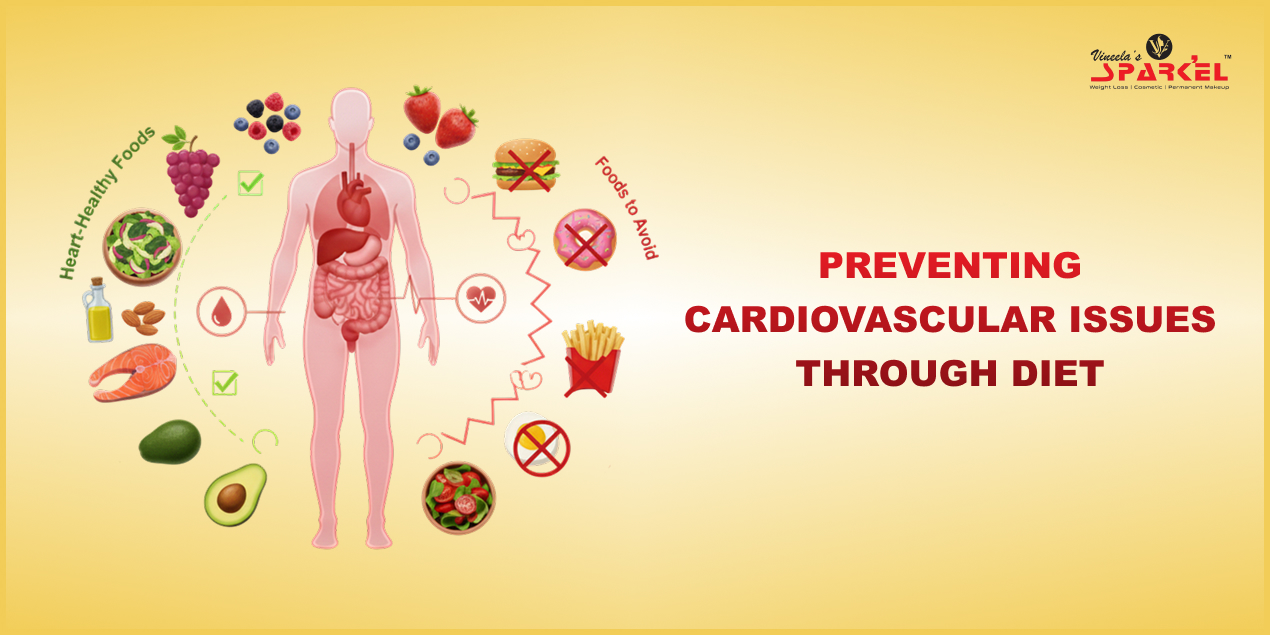
Adding whole grains, fruits high in fiber and vegetables helps your cardiovascular system. Nuts, seeds, olive oil and fatty fish provide healthy fats that don’t raise cholesterol levels. Plant-based proteins like beans, lentils and soy give you necessary nutrition while minimizing damage to your arteries. Berries, leafy greens and turmeric help to keep inflammation at bay and protect your heart from further damage. With just a little attention paid to the right meal choices, your cardiovascular system can benefit for many years to come.
Foods to Limit or Avoid
Limit foods and drinks high in processed meats, trans fats, added sugars in sweetened drinks and excess salt. Saturated fats create plaque and can increase cholesterol, whereas sugary drinks raise blood pressure and promote inflammation. Mindful eating, coupled with strategic changes in diet can decrease these risk factors over time and protect your cardiovascular system. Each food choice you make empowers your heart to function at its best.
Lifestyle Beyond Diet
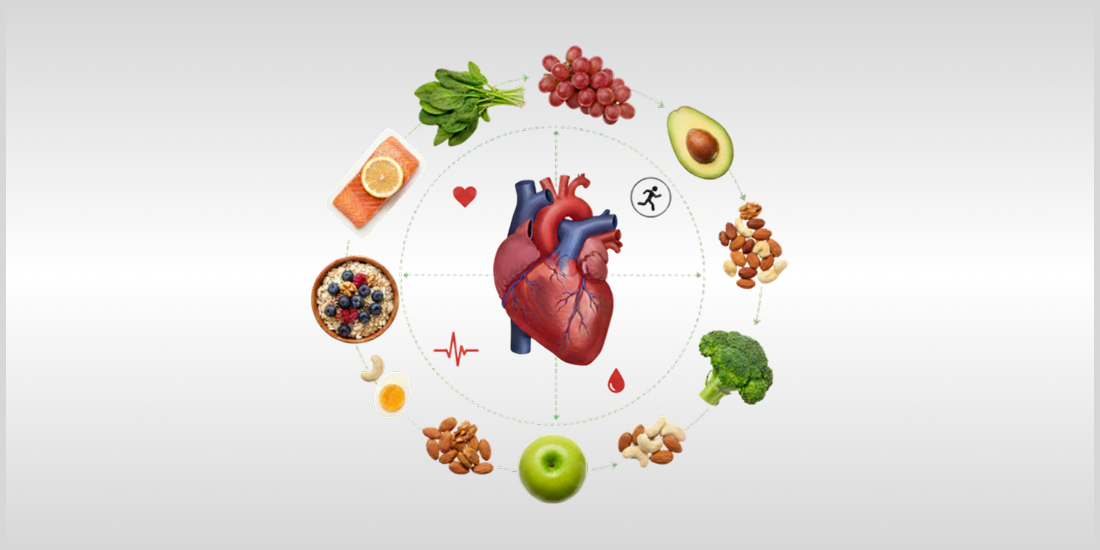
Though nutrition is central, other lifestyle factors are just as important. Regular physical activity strengthens the heart and improves circulation. Complemented by stress management, good sleep and not smoking a holistic approach toward cardiovascular prevention can be achieved. In short, diet and lifestyle together ensure that heart health, along with overall wellness, is easier to maintain well into the future.
Conclusion
A nutritious diet plays a key role in safeguarding your heart. By including fiber-rich foods, healthy fats, and plant-based proteins, you can reduce the risk of cardiovascular disease. Avoiding processed and high-sugar foods amplifies these benefits. Small, consistent choices lead to lasting improvements in heart health. V Sparkel motivates everyone to take charge of their heart’s wellbeing today.
Frequently Asked Questions
1. What are the best plant-based foods for heart health?
Plant-based foods, which include legumes, lentils, beans, nuts, seeds, and leafy greens, provide the best support to the heart, reduce cholesterol, and improve arterial function.
2. Do olive oil and nuts really prevent heart disease?
Yes, olive oil and nuts contain healthy fats that improve cholesterol, reduce inflammation, and support overall heart health when added into a balanced diet.
3. How much fiber do I need daily to keep my heart healthy?
At least 25–30 grams of fiber from fruits, vegetables, legumes, and whole grains daily maintains healthy digestion, keeps cholesterol low, and reduces the risk of cardiovascular diseases.