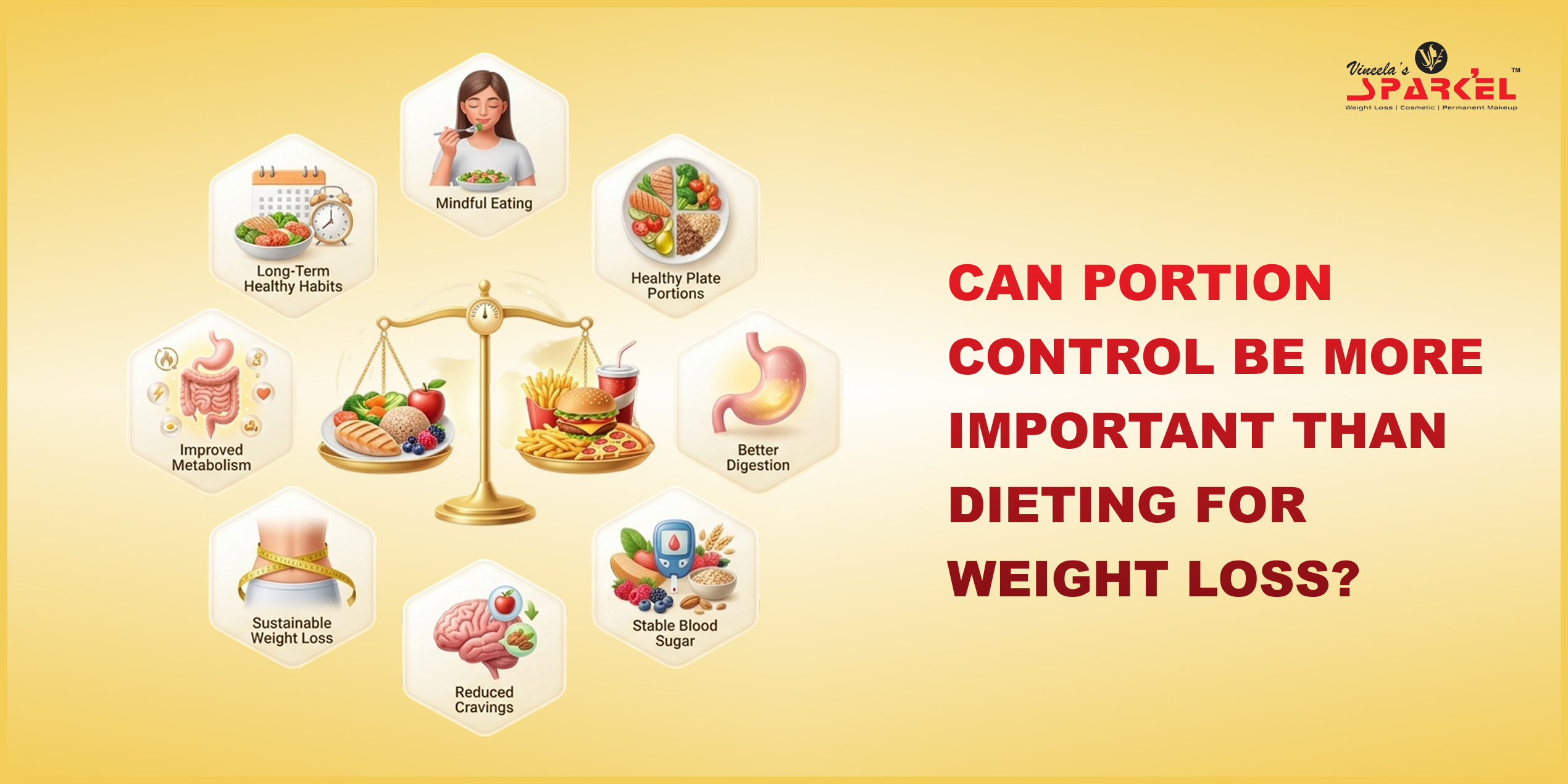
Can Portion Control Be More Important Than Dieting for Weight Loss?
Achieving and maintaining a healthy weight is a common goal for many people, while restrictive diets often promise quick results, they can be difficult to sustain in the long term. Portion control for weight loss has emerged as a practical and effective approach that focuses on eating the right amount of food rather than eliminating favorite meals. By managing portion sizes, individuals can create a calorie deficit without feeling deprived or following strict diet rules. This balanced method promotes mindful eating, improves eating habits and supports sustainable weight management. Understanding whether portion control is more important than dieting can help people make healthier lifestyle choices and achieve long-lasting weight loss results.
What Is Portion Control for Weight Loss?
Portion control for weight loss is a practical and effective approach that focuses on managing the amount of food consumed during each meal. Instead of eliminating favorite foods, portion control encourages balanced eating habits by reducing excessive calorie intake while ensuring the body receives essential nutrients. This strategy helps create a calorie deficit, which is crucial for sustainable weight loss. By understanding appropriate serving sizes, using smaller plates and practicing mindful eating, individuals can better regulate their appetite and avoid overeating. Portion control also supports improved digestion, stable energy levels and long-term weight management. When combined with regular physical activity and a nutritious diet, portion control becomes a powerful tool for achieving and maintaining a healthy weight.
How Does Dieting Differ from Portion Control?
Dieting and portion control are both popular weight management strategies, but they differ significantly in their approach and long-term sustainability. Dieting typically involves following specific eating plans, restricting certain food groups or reducing calorie intake to achieve weight loss goals. In contrast, portion control focuses on managing the quantity of food consumed without completely eliminating particular foods from the diet. While many diets can be restrictive and difficult to maintain over time, portion control encourages balanced eating habits and promotes a healthier relationship with food. This approach allows individuals to enjoy a variety of foods while maintaining appropriate serving sizes, making it a more sustainable and flexible method for weight management. Additionally, portion control supports lifestyle changes rather than temporary solutions. Building healthy eating behaviors gradually can lead to lifelong habits that support both physical health and emotional well-being
How to Practice Portion Control Without Following Strict Diets
Practicing portion control without following strict diets is one of the most effective and sustainable approaches to achieving healthy weight management. Rather than eliminating specific foods or adhering to restrictive meal plans, portion control focuses on eating balanced amounts of food while maintaining flexibility and enjoyment. Simple strategies such as using smaller plates, measuring serving sizes, eating slowly and paying attention to hunger and fullness cues can help prevent overeating. Incorporating more vegetables, lean proteins and whole grains into meals also supports better portion management without creating feelings of deprivation. Mindful eating practices, including avoiding distractions during meals and savoring each bite, can significantly improve eating habits over time. Additionally, planning meals, staying hydrated and limiting oversized restaurant portions can contribute to long-term success. By adopting practical portion control techniques instead of strict dieting rules, individuals can develop healthier eating patterns, support sustainable weight loss, improve their overall health and well-being.
The Role of Mindful Eating in Portion Control
Mindful eating plays a crucial role in effective portion control by encouraging individuals to pay close attention to their hunger cues, eating habits and food choices. This practice involves eating slowly, savoring each bite and being fully present during meals, which helps prevent overeating and emotional eating. By focusing on the body's natural signals of hunger and fullness, mindful eating supports better portion management and promotes healthier dietary habits. It also reduces the likelihood of consuming excess calories, making it an essential strategy for sustainable weight loss and long-term weight management. Incorporating mindful eating techniques, such as avoiding distractions while eating and practicing conscious food selection, can improve digestion, enhance meal satisfaction and foster a healthier relationship with food. As part of a balanced lifestyle, mindful eating serves as an effective tool for achieving weight loss goals while maintaining overall physical and mental well-being.
Can Portion Control Help Reduce Belly Fat?
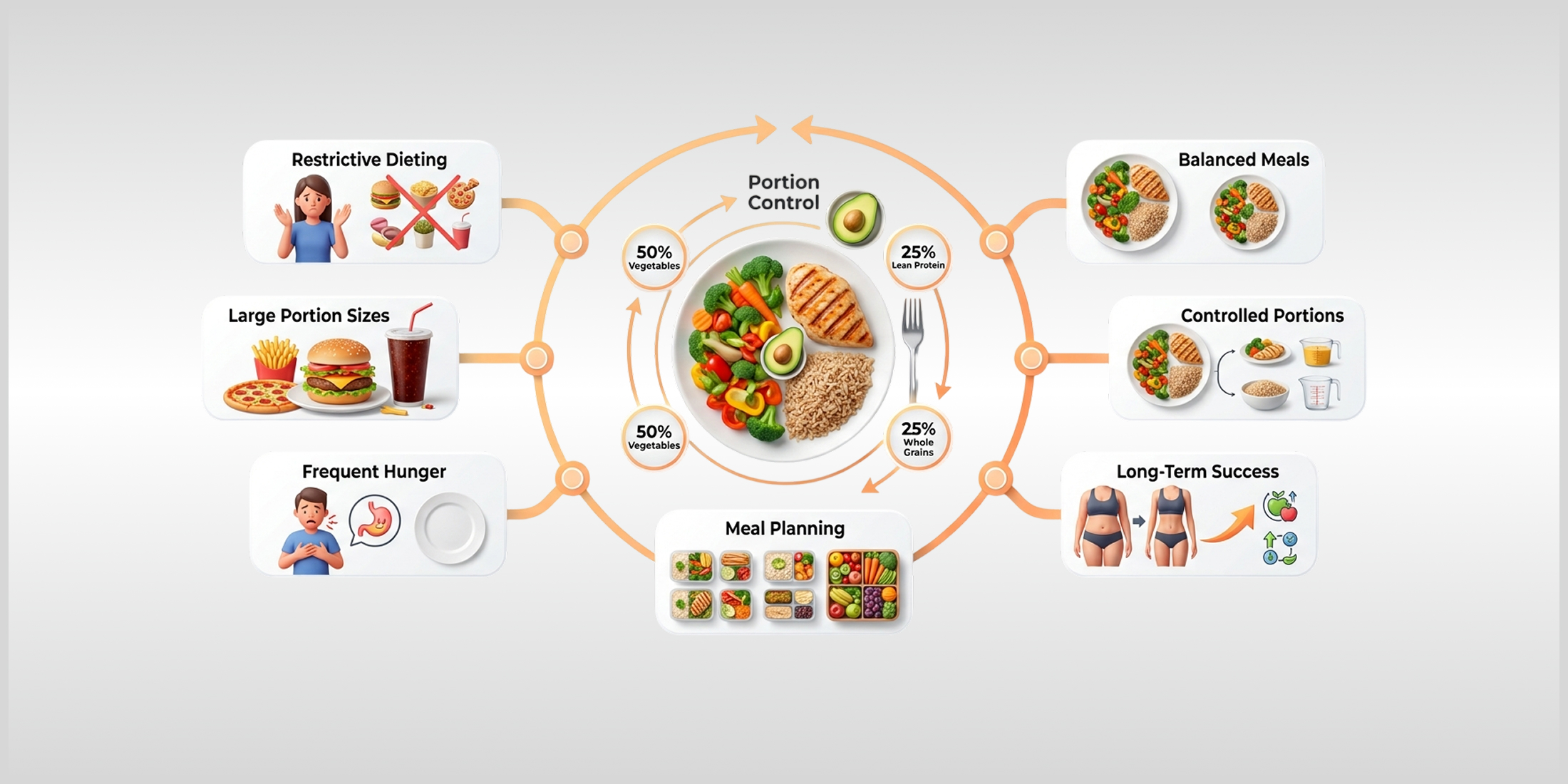
Yes, portion control can play a significant role in reducing belly fat when combined with a balanced diet and regular physical activity. Belly fat accumulation is often linked to consuming more calories than the body burns, making portion management an effective strategy for creating a calorie deficit. By controlling serving sizes and avoiding overeating, individuals can reduce their overall calorie intake without completely eliminating their favorite foods. Portion control also helps regulate blood sugar levels, improve digestion and prevent excessive snacking, all of which contribute to healthier weight management. Practicing mindful eating, using smaller plates and choosing nutrient-dense foods can further enhance fat loss efforts. Adopting healthy eating habits and maintaining an active lifestyle can lead to sustainable weight loss results and improved overall wellness.
Conclusion
Portion control can often be more effective and sustainable than restrictive dieting for long-term weight loss success. By focusing on balanced eating habits and mindful food consumption, individuals can achieve healthier lifestyle changes without feeling deprived. Portion control supports consistent calorie management while promoting better nutrition and overall well-being. Developing healthy eating patterns can lead to sustainable weight management and improved fitness outcomes. At VSparkel, we believe that adopting practical and sustainable wellness strategies is the key to achieving lasting health and weight loss goals.
FAQs
1. Can you lose weight with portion control alone?
Yes, you can lose weight with portion control alone if it helps you maintain a consistent calorie deficit over time. However, combining portion control with balanced nutrition and regular physical activity can improve long-term weight loss results and overall health.
2. Is portion control better than calorie counting for weight loss?
Portion control can be better than calorie counting for many people because it is simpler, easier to maintain and promotes mindful eating habits. However, the best approach for weight loss depends on individual preferences, lifestyle and long-term consistency.
3. How do beginners start portion control for weight loss?
Beginners can start portion control for weight loss by using smaller plates, eating slowly, avoiding distractions during meals and paying attention to hunger and fullness cues. Increasing protein and fiber intake can improve satiety and reduce overeating.