Overcoming Common Dietary Challenges
Overcoming common dietary challenges is essential for maintaining a balanced and healthy lifestyle in today’s fast-paced world. Many individuals struggle with issues such as irregular eating habits, emotional eating and lack of nutritional awareness. These challenges often lead to poor food choices and long-term health concerns if not addressed properly. Understanding the root causes of unhealthy dietary patterns is the first step toward meaningful change. With the right guidance and structured planning, it becomes easier to build sustainable eating habits. A well-balanced diet not only improves physical health but also enhances mental well-being and energy levels. By adopting mindful eating practices, individuals can successfully overcome these challenges and achieve long-term wellness goals.
Understanding Common Dietary Challenges in Daily Life
Understanding common dietary challenges in daily life is essential for maintaining a balanced and healthy lifestyle in today’s fast-paced world. Many individuals struggle with irregular eating habits due to busy schedules, leading to poor nutrition choices. Processed and fast foods often replace nutritious home-cooked meals, increasing the risk of health issues. Emotional eating and stress-related cravings further disrupt healthy dietary patterns. Lack of awareness about portion control and nutritional value also contributes to unhealthy eating behaviors. Inconsistent meal timings can affect metabolism and energy levels throughout the day. Limited access to fresh and healthy food options is another growing concern in urban lifestyles. Social gatherings and eating out frequently make it harder to maintain discipline in diet. Additionally, misinformation about fad diets often leads people to adopt unbalanced eating habits. Addressing these challenges with mindful eating and proper planning can significantly improve overall health and well-being.
Reasons Why People Struggle with Healthy Eating
Many people struggle with healthy eating due to busy lifestyles that leave little time for meal planning and preparation. Emotional eating triggered by stress, anxiety or boredom often leads to unhealthy food choices. Limited access to fresh and nutritious foods can also make it difficult to maintain a balanced diet. Confusion caused by conflicting nutrition information further discourages consistent healthy habits. Cost concerns make processed or fast food seem more convenient and affordable for many individuals. Lack of awareness about portion control contributes to overeating and poor dietary balance. Social influences and peer habits often push individuals toward unhealthy eating patterns. Strong cravings for sugar, salt and processed foods can be hard to resist. Inconsistent routines disrupt regular meal timings, affecting metabolism and digestion.
Simple and Practical Ways to Overcome Dietary Challenges
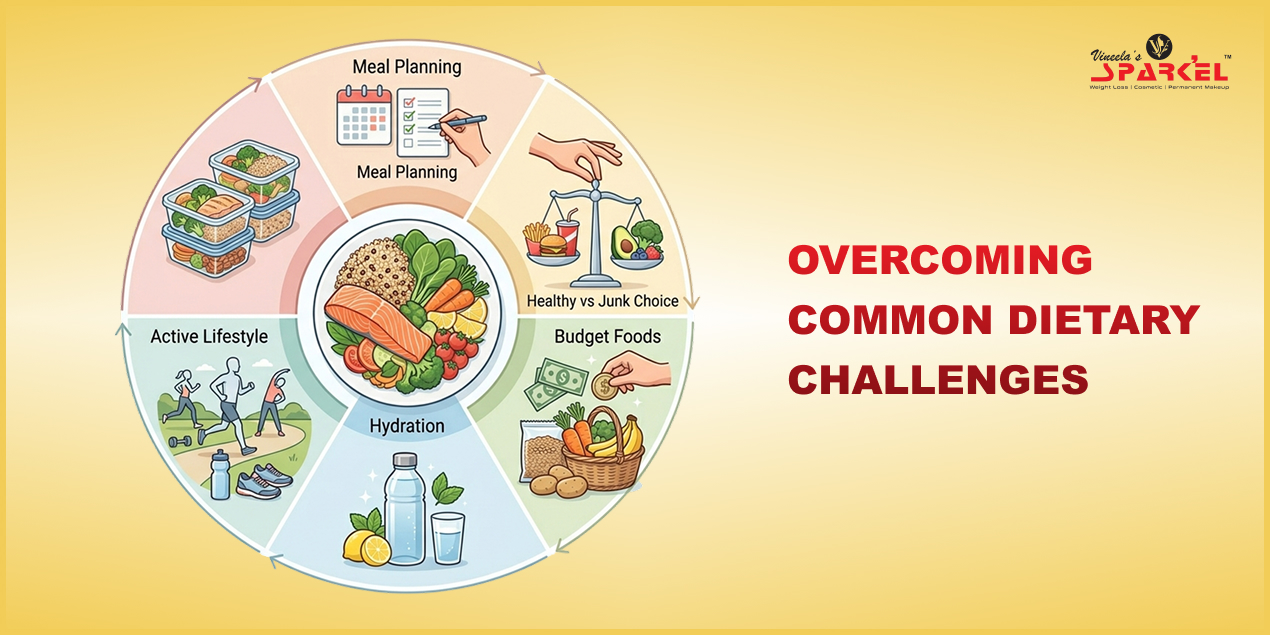
Overcoming dietary challenges requires a balanced approach that combines awareness, discipline and practical lifestyle adjustments. One of the simplest ways is to plan meals in advance to avoid unhealthy food choices during busy schedules. Incorporating whole, nutrient-dense foods such as fruits, vegetables and whole grains helps maintain consistent nutrition. Staying hydrated throughout the day supports digestion and reduces unnecessary cravings. Portion control plays a key role in preventing overeating and maintaining a healthy balance. Gradually reducing processed and sugary foods makes dietary transitions more sustainable. Reading food labels carefully helps in making informed and healthier choices. Maintaining consistency rather than perfection ensures long-term success in healthy eating habits. Seeking guidance from nutrition experts can provide personalized solutions to dietary issues. With the right mindset and structured approach, overcoming dietary challenges becomes simple, practical and highly achievable.
Building Long-Term Consistency in Healthy Eating Habits
Building long-term consistency in healthy eating habits is essential for maintaining overall wellness and preventing lifestyle-related health issues. It focuses on creating sustainable food choices rather than short-term restrictive diets that are difficult to maintain. A consistent eating pattern helps regulate metabolism, improve energy levels and support better digestion. Planning balanced meals with nutrient-rich foods ensures the body receives adequate vitamins, minerals and proteins daily. Avoiding processed foods and excessive sugar contributes to long-term health stability. Mindful eating practices encourage better control over portion sizes and reduce overeating tendencies. Gradual lifestyle changes are more effective than sudden diet shifts for lasting results. Staying hydrated and maintaining regular meal timings further supports healthy habits. Discipline and commitment play a key role in achieving dietary consistency. Building long-term healthy eating habits leads to improved physical health, mental well-being and sustainable lifestyle success.
Conclusion
Overcoming common dietary challenges requires consistency, awareness and the right nutritional choices that align with individual health goals. Small, sustainable changes in daily eating habits can significantly improve long-term wellness and energy levels. With proper planning and discipline, it becomes easier to avoid unhealthy temptations and maintain a balanced diet. Supportive guidance and informed decisions play a key role in achieving lasting dietary success. VSparkel emphasizes promoting healthier lifestyle habits that help individuals stay committed to their nutrition journey and overall well-being.
FAQs
1. How can I start overcoming dietary challenges in daily life?
Starting the process of overcoming dietary challenges begins with small and realistic changes in your routine. Instead of following strict diets, focus on eating balanced meals, reducing junk food gradually. Planning your meals in advance and staying hydrated can also help improve discipline.
2. Why is it difficult to maintain healthy eating habits consistently?
Maintaining consistency in healthy eating is difficult because of emotional triggers, busy schedules and easy access to unhealthy foods. Stress and lack of planning often lead to poor choices, making overcoming dietary challenges harder. Many people also set unrealistic expectations, which leads to burnout.
3. What are the most effective ways to overcome dietary challenges naturally?
The most effective way of overcoming dietary challenges is by building simple, sustainable habits. This includes eating at regular intervals, choosing whole foods over processed options and practicing mindful eating. Managing stress and avoiding emotional eating also play an important role.