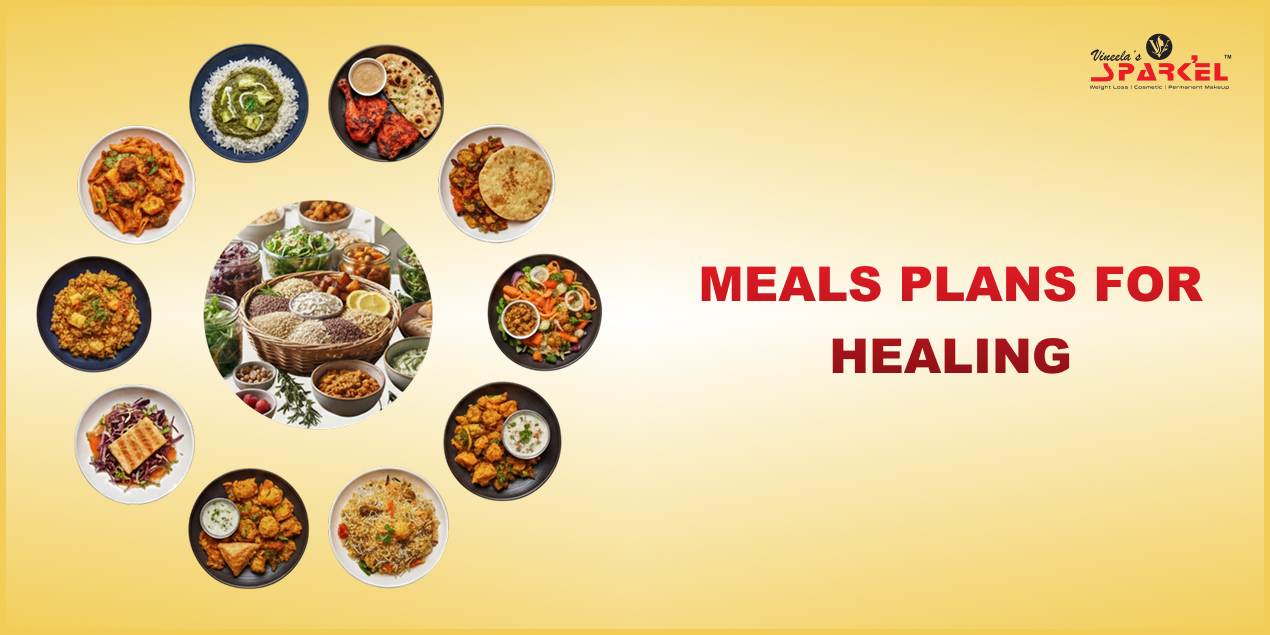
A Meals Plans For Healing
Nourishment from food is one of the most powerful ways to help your body recover, regain energy and feel healthier from within. Whether you’re overcoming illness, reducing inflammation, improving digestion, balancing hormones or simply trying to rebuild strength, the right meal plan can enhance both the speed of your healing and the quality of your recovery.
What Makes a Meal Healing?
A healing meal is more than just nutrition, it involves choosing foods that are gentle on the stomach and calming for internal systems. These meals focus on anti-inflammatory ingredients, fresh vegetables, fruits, clean proteins, healthy fats and gut-repairing foods. They avoid processed sugars, refined oils and chemical preservatives that can slow down recovery. Instead, healing meals make use of natural herbs and spices that strengthen immunity, support digestion and reduce inflammation from the root.
A well-structured Healing Meal Plan helps the body recover faster from fever, viral infections, digestive issues or hormonal imbalances. It reduces inflammation, eases bloating, strengthens the gut and stabilizes energy throughout the day. You may notice visible improvements like reduced joint pain, clearer skin, balanced hormones, stronger immunity and an overall sense of freshness. Healing foods also supply essential micronutrients that help rebuild tissues, making them especially helpful after illness, surgery or prolonged fatigue.
Healing Meal Plans for Different Needs
Different health concerns require different nutritional approaches. Therefore, healing meal plans vary depending on your body’s needs:
- Gut-healing plans include easy-to-digest foods like bone broth, khichdi, stews, curd rice and probiotic-rich dishes to strengthen the gut lining.
- Anti-inflammatory plans focus on turmeric-rich meals, leafy greens, omega-3 foods, berries and herbal teas that calm inflammation.
- Hormonal and thyroid balance plans include iron-rich foods, good fats and balanced carbs.
- Recovery after fever or weakness requires warm soups, boiled vegetables, rice-based dishes, hydration-focused meals and nutrient-rich fruits.
Healing Foods You Should Always Include
Whole foods form the foundation of any healing meal plan. Ingredients such as ginger, garlic, turmeric, leafy greens, carrots, beetroots, yogurt, bananas, apples and oats deliver antioxidants, anti-inflammatory compounds, probiotics and essential vitamins. Fresh fruits help maintain hydration and electrolytes, while soups and stews restore warmth and energy. Healthy fats like ghee, avocado and olive oil support hormone balance and nutrient absorption. These foods gradually and effectively strengthen the body over time.
Foods to Avoid During Recovery

During recovery, it is important to avoid foods that burden digestion and slow the healing process. Fried and oily foods can irritate the stomach and increase inflammation. Processed snacks and packaged items often contain additives that weaken immunity. Sugary foods interfere with nutrient absorption and reduce the body’s natural resistance. Aerated drinks and excessive caffeine cause dehydration and digestive discomfort. Overly spicy foods may trigger acidity and inflammation. Heavy, greasy meals put unnecessary strain on the digestive system. Choosing gentle, nourishing foods instead helps the body heal faster and more effectively.
Conclusion
Healing through food is one of the gentlest yet most effective ways to help your body regain strength, balance and vitality. By choosing nourishing meals, avoiding inflammatory, processed foods and following a structured healing meal plan, you create the ideal environment for your body to recover naturally. Consistency and mindful eating are key when your body heals faster when you provide it with the right nutrition. For inspiration, guidance and practical tips on leading a healthier, wellness-focused life, V Sparkel continues to empower people with positive choices for everyday well-being.
FAQs
1. What is the best meal for healing after sickness?
Soups, khichdi, steamed vegetables, herbal teas, and probiotic-rich dishes are ideal because they are light on the stomach and packed with hydration and nutrients.
2. How do I get started with a healing meal plan at home?
Keep meals simple, unprocessed, warm, and nourishing. Easy options include broth-based dishes, lentil bowls, steamed foods, and fruit-based breakfasts.
3. Which foods heal the body the fastest?
Bone broth, leafy greens, turmeric, ginger, fruits, oats, curd, and antioxidant-rich foods support fast tissue repair and reduce inflammation.
4. Which foods help heal the gut?
Fermented foods, soups, stews, porridge, rice dishes, yogurt, bananas, and fiber-rich fruits soothe digestion and support healthy gut flora.