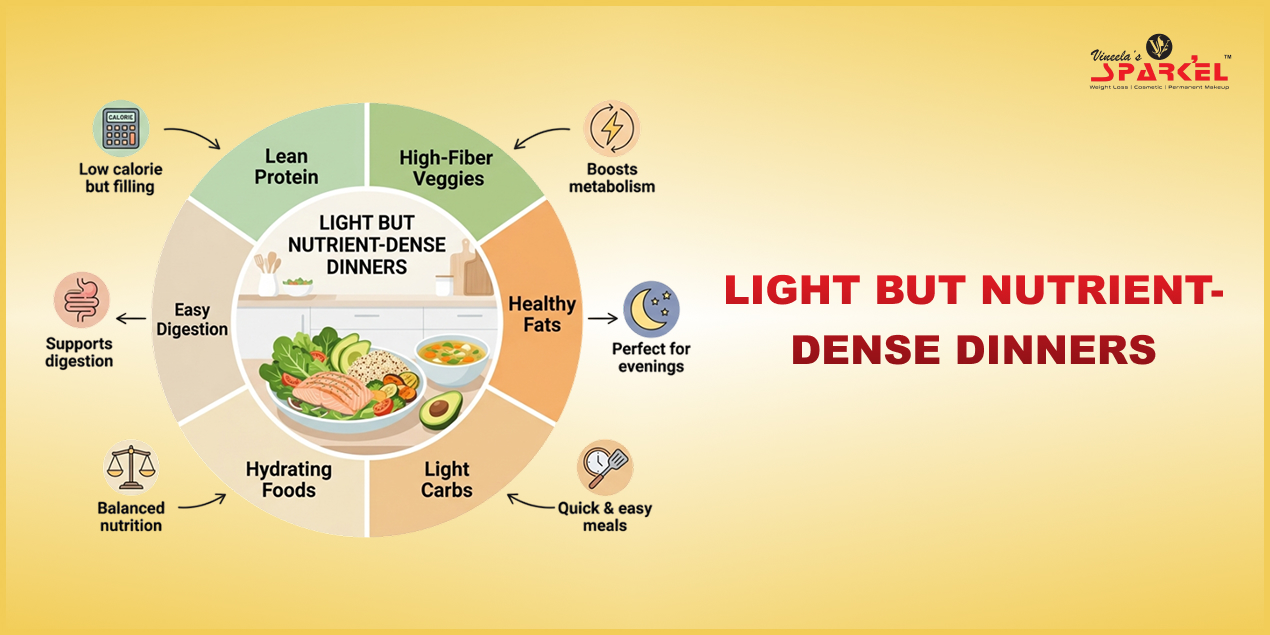
Light But Nutrient-Dense Dinners
Eating the right dinner can completely transform how your body feels at night and how energized you wake up the next day. Light but nutrient-dense dinners are designed to give your body essential vitamins, minerals, protein and fiber without overloading your digestive system. Instead of feeling heavy or bloated, these meals help you stay satisfied, improve digestion and support weight management. In today’s fast-paced lifestyle, choosing light but nutrient-dense dinners is one of the simplest ways to maintain a healthy routine without sacrificing taste or satisfaction.
What Are Light But Nutrient-Dense Dinners?
Light but nutrient-dense dinners are meals that provide essential vitamins, minerals and energy without feeling heavy or overly filling. These meals focus on quality over quantity, combining wholesome ingredients like vegetables, lean proteins, healthy fats and whole grains. They are designed to support digestion, improve metabolism and promote overall well-being, especially in the evening when the body needs lighter foods. Unlike calorie-heavy dinners, these options help maintain energy balance while avoiding sluggishness or discomfort before bedtime. Incorporating such meals can aid in weight management, better sleep and sustained energy levels. They are ideal for people with busy lifestyles who want quick yet healthy options. Light dinners also reduce the strain on the digestive system, allowing the body to repair and rejuvenate overnight. By choosing nutrient-rich ingredients, you ensure your body receives maximum nourishment with fewer calories. Ultimately, light but nutrient-dense dinners are a smart and sustainable approach to healthy eating.
Why Light Dinners Matter for Digestion and Health
Light dinners play a crucial role in supporting healthy digestion and overall well-being. Consuming lighter meals in the evening allows the digestive system to function more efficiently without unnecessary strain. It helps prevent common issues such as bloating, acidity and indigestion that often result from heavy nighttime eating. A balanced, light dinner also supports better nutrient absorption, ensuring the body utilizes essential vitamins and minerals effectively. Additionally, it contributes to improved sleep quality by reducing discomfort and promoting relaxation. Eating light at night can aid in maintaining a healthy metabolism and preventing unwanted weight gain. It also helps regulate blood sugar levels, especially when meals are well-balanced and portion-controlled. Over time, this habit can enhance gut health and support long-term wellness. Light dinners encourage mindful eating patterns, which are essential for a sustainable lifestyle.Overall, choosing lighter meals at night is a simple yet impactful step toward better digestion and improved health.
Key Ingredients That Make a Dinner Nutrient-Dense
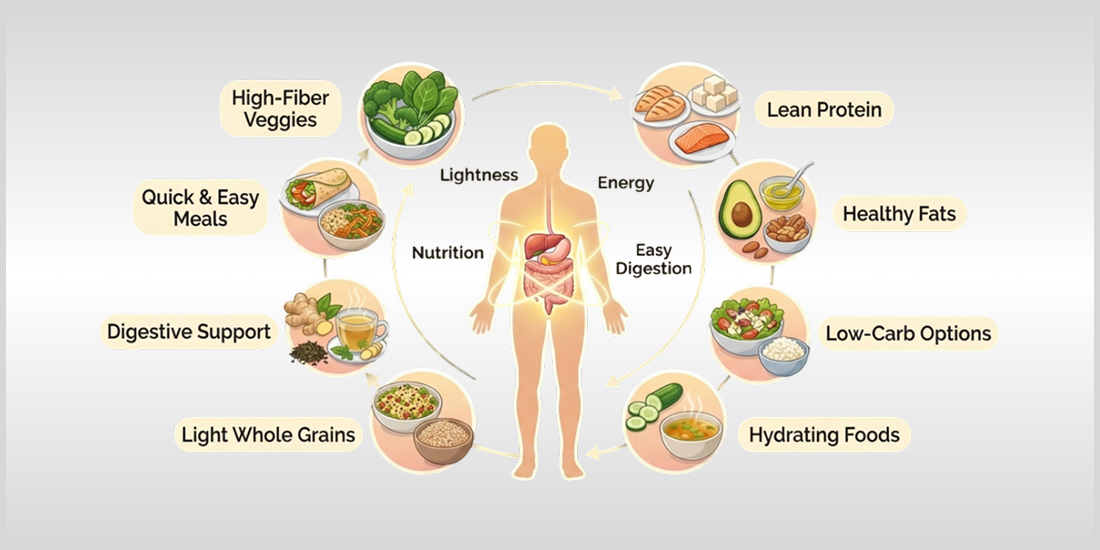
Key ingredients that make a Dinner Nutrient-Dense focus on delivering maximum nutrition with balanced portions. Fresh vegetables such as leafy greens, broccoli and carrots provide essential vitamins, minerals and fiber. Lean proteins like chicken, fish, tofu and legumes support muscle repair. Whole grains, including brown rice, quinoa and oats, offer sustained energy and important nutrients like B vitamins. Healthy fats from sources such as nuts, seeds, olive oil and avocados contribute to heart health and nutrient absorption. Incorporating a variety of colorful foods ensures a wide range of antioxidants that protect the body from oxidative stress. Low-fat dairy or plant-based alternatives can add calcium and protein to the meal. Herbs and spices not only enhance flavor but also provide additional health benefits. Limiting processed foods and refined sugars helps maintain the nutritional quality of the meal. Combining these key ingredients creates a well-balanced, nutrient-dense dinner that supports overall health.
Easy Light But Nutrient-Dense Dinner Ideas to Try
Easy light but nutrient-dense dinner ideas focus on simplicity, balance and wholesome ingredients. A grilled vegetable salad with lean protein like chicken or tofu offers fiber, vitamins and satiety without heaviness. Quinoa bowls mixed with roasted vegetables and a light dressing provide a complete source of protein and essential nutrients. Stir-fried vegetables with legumes or paneer make for a quick, protein-rich and low-calorie option. A bowl of vegetable soup paired with whole-grain toast delivers warmth, hydration and nourishment. Steamed fish with sauteed greens is an excellent choice for a light yet protein-packed meal. Lentil-based dishes such as dal with a small portion of brown rice ensure balanced nutrition and easy digestion. Whole-grain wraps filled with fresh vegetables and hummus are convenient and healthy. Smoothie bowls made with fruits, nuts and seeds can also serve as a light dinner alternative. These meal ideas support digestion, maintain energy levels and promote overall well-being.
Common Mistakes to Avoid While Choosing Light Dinners
Choosing light dinners requires a balanced approach to ensure both nutrition and satisfaction. One common mistake is eliminating protein, which can lead to increased hunger and late-night snacking. Over-reliance on refined carbohydrates instead of whole grains reduces the overall nutrient value of the meal. Many individuals misjudge portion sizes, unintentionally consuming excess calories. Avoiding healthy fats entirely is another error, as they play a key role in nutrient absorption and satiety. Depending on processed or packaged low-calorie foods can negatively impact overall health. Skipping vegetables limits the intake of essential fiber, vitamins and minerals. Eating too late in the evening may disrupt digestion and affect sleep quality. Ignoring proper hydration alongside meals can also slow down digestion. Some people confuse light with insufficient, leading to inadequate nutrient intake. Repeating the same meals daily can reduce dietary diversity and nutrient range. Lack of meal planning often results in unhealthy, last-minute food choices. Consuming sugary desserts after a light dinner can counteract its benefits. Not paying attention to balanced macronutrients can make meals less effective, avoiding these mistakes helps maintain a healthy, light dinner that supports long-term well-being
Conclusion
Light but nutrient-dense dinners are essential for maintaining a balanced and healthy lifestyle. They support better digestion, improved metabolism and sustained energy levels throughout the day. By choosing the right combination of wholesome ingredients, individuals can enjoy meals that are both satisfying and nourishing.Consistency in eating light, balanced meals can contribute to long-term wellness and weight management. Online Nutrition like V Sparkel encourage mindful eating habits by promoting nutritious and practical meal solutions. Embracing light but nutrient-dense dinners with VSparkel can lead to a healthier, more energized life.
Frequently Asked Questions
1. What is the best light but nutrient-dense dinner for weight loss?
The best light but nutrient-dense dinners for weight loss include meals that are low in calories but high in protein and fiber, such as vegetable soups, quinoa bowls or lentil-based dishes. These meals keep you full for longer, reduce cravings and support metabolism.
2. What to eat at night for light digestion and proper nutrition?
For light digestion and proper nutrition, opt for meals like moong dal soup, steamed vegetables, millet-based dishes or salads with protein sources. These options are easy on the stomach and provide essential nutrients without causing heaviness.
3. Are light but nutrient-dense dinners better for sleep and metabolism?
Yes, light but nutrient-dense dinners are highly beneficial for both sleep and metabolism. They prevent discomfort caused by heavy meals and allow your body to rest and recover efficiently. Nutrient-rich foods support metabolic functions, while lighter portions reduce the risk of indigestion, helping you achieve deeper and more restful sleep consistently.