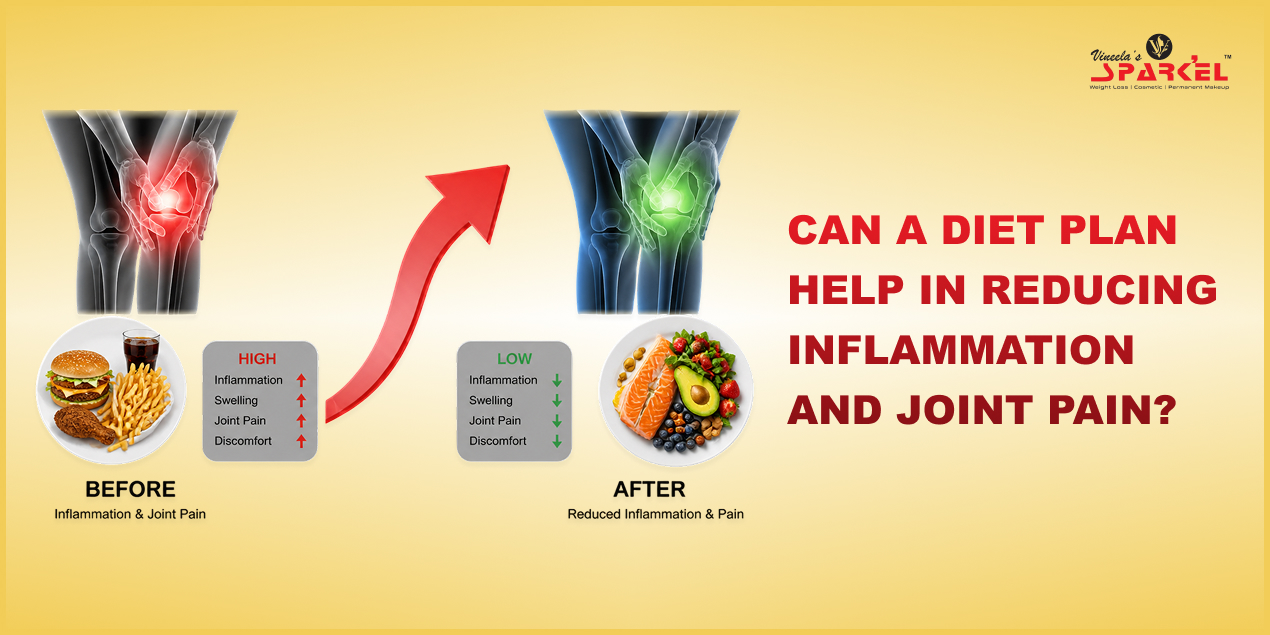
Can a Diet Plan Help in Reducing Inflammation and Joint Pain?
Chronic inflammation and joint pain are common health concerns that affect daily mobility, comfort and overall quality of life. A well-structured diet plan plays a significant role in managing these conditions by providing the body with essential nutrients that support healing and reduce inflammation. Certain foods are known to have natural anti-inflammatory properties that can help ease joint stiffness and discomfort over time. By avoiding processed foods, excess sugar and unhealthy fats, individuals can further reduce triggers that worsen inflammation. Incorporating a balanced diet rich in fruits, vegetables, whole grains and omega-3 fatty acids may support joint health effectively. Medical research also suggests that nutrition directly influences the body’s inflammatory response.
What Is Inflammation and How Does It Affect Joint Pain?
Inflammation is the body’s natural immune response to injury, infection or harmful stimuli, designed to protect and heal tissues. However, when inflammation becomes chronic, it can negatively impact overall health and lead to ongoing discomfort. In relation to joint pain, inflammation often occurs in the tissues surrounding the joints, causing swelling, stiffness and reduced mobility. Conditions like arthritis are commonly associated with long-term inflammatory responses in the joints. This persistent inflammation can gradually damage cartilage and affect normal joint function. As a result, individuals may experience pain during movement or even at rest. Poor lifestyle habits, stress and unhealthy diets can further trigger or worsen inflammation levels. Early identification of inflammation is crucial for preventing long-term joint damage. Managing it through diet, exercise and medical care can significantly improve joint health.
Can a Diet Plan Really Help Reduce Inflammation and Joint Pain?
A well-planned diet can significantly help in reducing inflammation and easing joint pain by supporting the body’s natural healing processes. Foods rich in omega-3 fatty acids, antioxidants and essential vitamins play a key role in lowering inflammatory responses. Fresh fruits, green leafy vegetables, nuts and whole grains help strengthen joints and improve mobility. At the same time, avoiding processed foods, excess sugar and unhealthy fats can prevent inflammation from worsening. Hydration also supports joint lubrication and reduces stiffness. A balanced diet helps maintain a healthy weight, which reduces pressure on joints like knees and hips. Natural anti-inflammatory foods such as turmeric, ginger and garlic further support pain relief. Consistent dietary habits can improve long-term joint health and flexibility. Although diet is not a standalone cure, it is a powerful supportive approach when combined with regular exercise.A healthy diet plan can effectively contribute to reducing inflammation and improving quality of life.
Best Foods That Help Reduce Joint Pain and Inflammation
A balanced diet plays a vital role in managing joint pain and reducing inflammation naturally. Foods rich in omega-3 fatty acids such as salmon, flaxseeds and walnuts help lower inflammatory responses in the body. Leafy green vegetables like spinach and kale provide antioxidants that protect joint tissues from damage. Berries such as blueberries and strawberries contain powerful anti-inflammatory compounds that support joint health. Turmeric and ginger are well-known natural remedies that help reduce swelling and stiffness. Olive oil offers healthy fats that support overall bone and joint function. Nuts and seeds provide essential nutrients that improve mobility and flexibility. Whole grains help maintain stable blood sugar levels, reducing inflammation triggers. Green tea is rich in polyphenols that fight oxidative stress in joints. Including these foods in a daily diet can significantly improve joint comfort and long-term mobility.
Foods That Increase Inflammation and Joint Pain
Highly processed foods such as packaged snacks, instant noodles and fast food are known to trigger inflammation in the body and can worsen joint pain over time. Refined sugar and sugary beverages increase inflammatory markers, leading to stiffness and discomfort in the joints. Trans fats found in fried and baked commercial products can contribute to chronic inflammation and reduced joint flexibility. Excessive consumption of refined carbohydrates like white bread and pastries may spike blood sugar levels and promote inflammatory responses. Processed meats such as sausages and bacon contain preservatives that can aggravate joint conditions. Excess salt intake can lead to fluid retention and increased pressure on joints, intensifying pain. Alcohol consumption may interfere with the body’s ability to reduce inflammation effectively. Excess omega-6 fatty acids from certain vegetable oils, when not balanced with omega-3s, can promote inflammation. Artificial additives and preservatives in packaged foods may also trigger immune responses linked to joint pain. Reducing these foods in your daily diet can significantly support better joint health and lower inflammation levels.
Simple Anti-Inflammatory Diet Plan for Daily Life
A simple anti-inflammatory diet plan for daily life focuses on including natural, nutrient-rich foods that help reduce inflammation and support overall health. Start your day with whole grains like oats along with fruits such as berries for antioxidants. Include green leafy vegetables, nuts and seeds in your meals to provide essential vitamins and healthy fats. Add fatty fish like salmon or plant-based omega-3 sources such as flaxseeds to reduce joint stiffness. Use spices like turmeric and ginger, known for their strong anti-inflammatory properties. Limit processed foods, refined sugar and excess salt to avoid triggering inflammation. Drink plenty of water and herbal teas to support detoxification and digestion. Incorporate legumes and lean proteins to maintain muscle strength and energy levels. Choose healthy cooking methods like steaming, grilling or boiling instead of deep frying. Following this balanced diet consistently can improve immunity, reduce pain and enhance long-term well-being.
Natural Lifestyle Tips to Support Joint Pain Relief
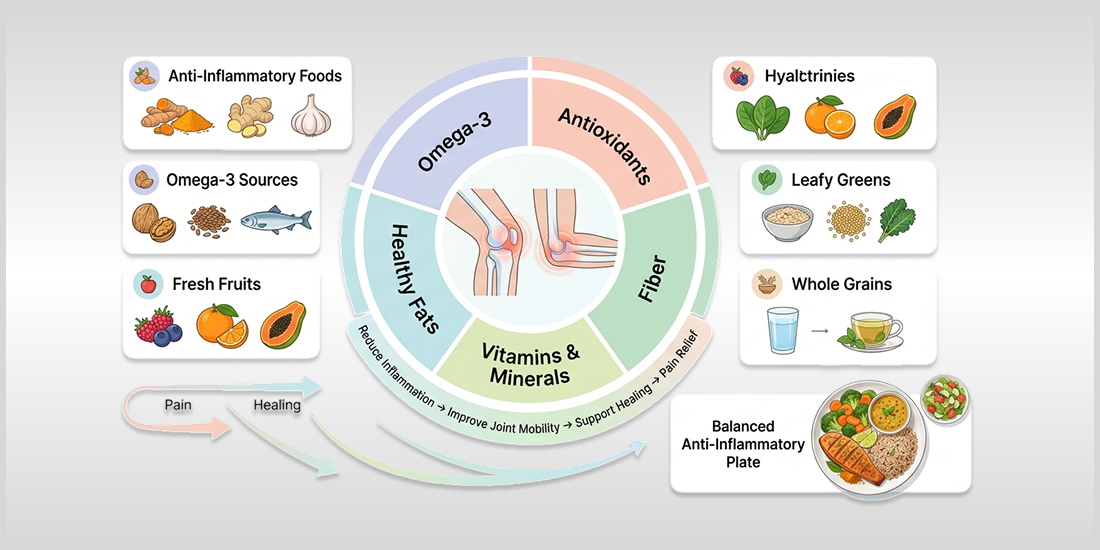
Natural lifestyle tips can play a vital role in supporting joint pain relief and improving overall mobility. Maintaining a healthy body weight helps reduce unnecessary pressure on joints, especially knees and hips. Regular low-impact exercises like walking, swimming or yoga improve flexibility and strengthen surrounding muscles. A balanced diet rich in omega-3 fatty acids, fruits and vegetables helps reduce inflammation naturally. Staying well-hydrated supports cartilage health and joint lubrication. Proper posture while sitting and standing prevents added strain on joints. Adequate sleep allows the body to repair and reduce inflammation effectively. Stress management techniques like meditation can also lower pain sensitivity. Avoiding processed foods and excessive sugar helps minimize inflammatory responses in the body. Consistent healthy lifestyle habits can significantly enhance joint comfort and long-term well-being.
Conclusion
A well-structured diet plan can play a significant role in reducing inflammation and alleviating joint pain by providing essential nutrients that support overall joint health. Foods rich in antioxidants, omega-3 fatty acids and anti-inflammatory properties help in minimizing swelling and improving mobility. Consistent dietary habits, along with proper hydration and balanced nutrition, contribute to long-term relief and improved quality of life. While diet alone is not a cure, it is a powerful supportive approach when combined with healthy lifestyle choices. VSparkel emphasizes the importance of mindful eating patterns to naturally manage inflammation and promote joint wellness effectively.
FAQs
1. Can a diet plan help reduce inflammation and joint pain naturally?
Yes, a well-structured diet plan can help reduce inflammation and joint pain naturally by including anti-inflammatory foods like fruits, vegetables, nuts and healthy fats. These foods help lower swelling and improve joint mobility over time.
2. What foods are best for reducing inflammation and joint pain?
Foods such as leafy greens, berries, turmeric, ginger, nuts, seeds and fatty fish are highly effective in reducing inflammation and joint pain. These foods contain antioxidants and omega-3 fatty acids that help calm inflammatory responses in the body.
3. How long does it take for diet changes to reduce inflammation?
Diet changes may start showing small improvements within a few weeks, but noticeable reduction in inflammation and joint pain usually takes consistent effort over time. The speed depends on lifestyle, severity of inflammation and food choices. A balanced anti-inflammatory diet combined with healthy habits gradually supports healing and improves joint comfort naturally and sustainably.