Daily Evening Habits for Healthy Weight Loss
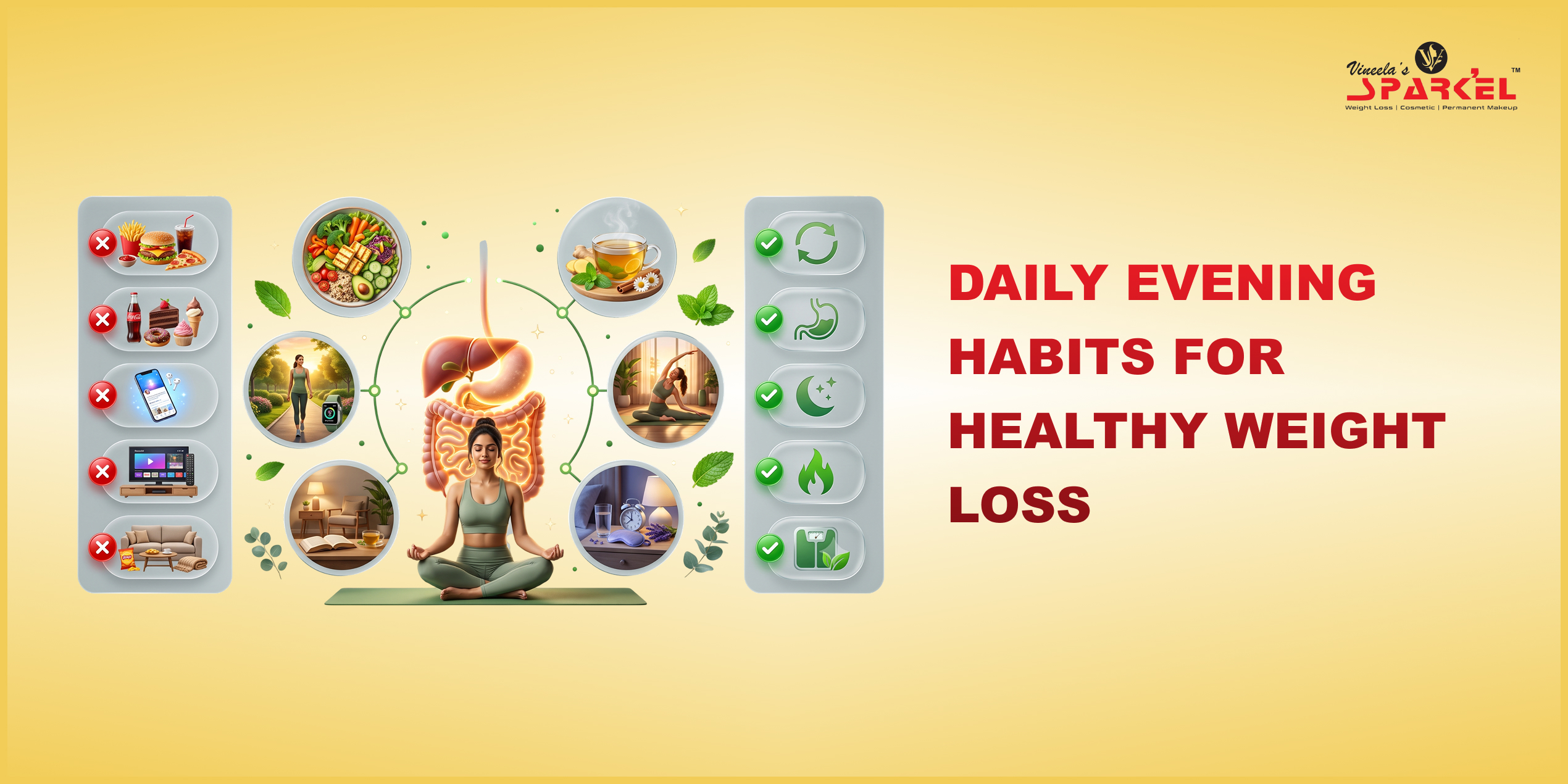
Establishing a consistent evening routine can play a crucial role in improving metabolism, supporting digestion, enhancing sleep quality and promoting sustainable weight management. Many health experts emphasize that adopting healthy evening habits can help reduce unnecessary calorie intake, regulate hormones and improve overall wellness. From eating a balanced dinner and staying hydrated to avoiding late-night snacking and getting quality sleep, simple evening practices can significantly impact weight loss journey. A well-planned nighttime routine not only supports fat-burning processes but also prepares a body for better performance the next day.
Why Evening Habits Matter for Weight Loss?
Evening habits play a crucial role in determining the success of a weight loss journey. While many people focus on diet and exercise during the day, the choices made in the evening can significantly impact metabolism, sleep quality and calorie balance. Healthy evening routines, such as eating a balanced dinner, avoiding late-night snacking, staying hydrated and maintaining a consistent sleep schedule, help regulate hormones that influence hunger and fat storage. Establishing a structured evening routine supports better digestion, improves energy levels and enhances overall well-being. By prioritizing mindful evening habits, individuals can create a sustainable lifestyle that promotes healthy weight management and long-term fitness goals.
Eat a Balanced Dinner to Support Weight Loss
Eating a balanced dinner is an essential part of a successful weight loss journey, as it helps regulate hunger, supports metabolism and promotes overall health. A nutritious dinner should include a combination of lean proteins, fiber-rich vegetables, whole grains and healthy fats to provide sustained energy and prevent late-night cravings. Consuming a well-balanced evening meal can improve digestion, stabilize blood sugar levels and support better sleep quality, all of which contribute to effective weight management. Avoiding processed foods, excessive carbohydrates and high-calorie meals at night can further enhance weight loss results. By practicing portion control and choosing nutrient-dense foods, individuals can maintain a calorie deficit while ensuring their bodies receive the essential nutrients needed for optimal functioning.
Take a Walk After Dinner.
Taking a short walk after dinner provides numerous health benefits that support weight management and overall wellness. Walking after meals helps improve digestion, regulate blood sugar levels, increase calorie expenditure and reduce feelings of sluggishness. Even a moderate walk lasting fifteen to thirty minutes can positively influence metabolism and support healthy body composition. Evening walks also provide opportunities to reduce stress, improve mood and increase daily physical activity levels. For individuals with sedentary lifestyles, incorporating regular post-dinner walks can create substantial improvements in long-term health outcomes. Walking outdoors may provide additional mental health benefits by promoting relaxation and reducing anxiety levels, which can further support healthy eating behaviors and weight management goals.
Stay Hydrated Throughout the Evening
Staying hydrated throughout the evening is an essential habit for maintaining overall health, supporting metabolism and promoting effective weight management. Drinking adequate amounts of water during the evening helps regulate body temperature, improve digestion and prevent unnecessary cravings that are often mistaken for hunger. Proper hydration also supports muscle recovery, boosts energy levels and contributes to better skin health and overall wellness. To maintain optimal hydration, consider drinking water consistently after dinner while avoiding excessive consumption right before bedtime to prevent sleep disturbances. Incorporating hydrating foods such as fruits and vegetables into an evening routine can further enhance hydration levels. Developing a healthy evening hydration habit can improve bodily functions, support weight loss goals and contribute to a balanced and healthy lifestyle.
Manage Stress Before Going to Bed
Chronic stress contributes to elevated cortisol levels, increased appetite, emotional eating behaviors and fat storage.Activities such as meditation, deep breathing exercises, journaling, reading and mindfulness practices help reduce stress hormone production while promoting relaxation. These activities prepare the body for restful sleep while decreasing the likelihood of stress-related eating behaviors. Creating a calming evening environment supports mental health and encourages consistent healthy behaviors that contribute to long-term weight management success.
Prioritize Sleep for Healthy Weight Management
Prioritizing sleep is a crucial factor in achieving and maintaining healthy weight management. Quality sleep plays a significant role in regulating hormones that control hunger, appetite and metabolism. Lack of adequate sleep can increase cravings for unhealthy foods, reduce energy levels and negatively impact the body's ability to burn calories efficiently. Adults should aim for 7 to 9 hours of uninterrupted sleep each night to support optimal physical and mental health. Establishing a consistent sleep schedule, reducing screen time before bed and creating a comfortable sleep environment can improve sleep quality. Research suggests that individuals who prioritize proper sleep habits are more likely to maintain a healthy weight and achieve long-term wellness goals. Incorporating sufficient rest into a balanced lifestyle, alongside nutritious eating and regular exercise, can significantly enhance overall health and support sustainable weight loss.
Prepare for Tomorrow's Healthy Routine
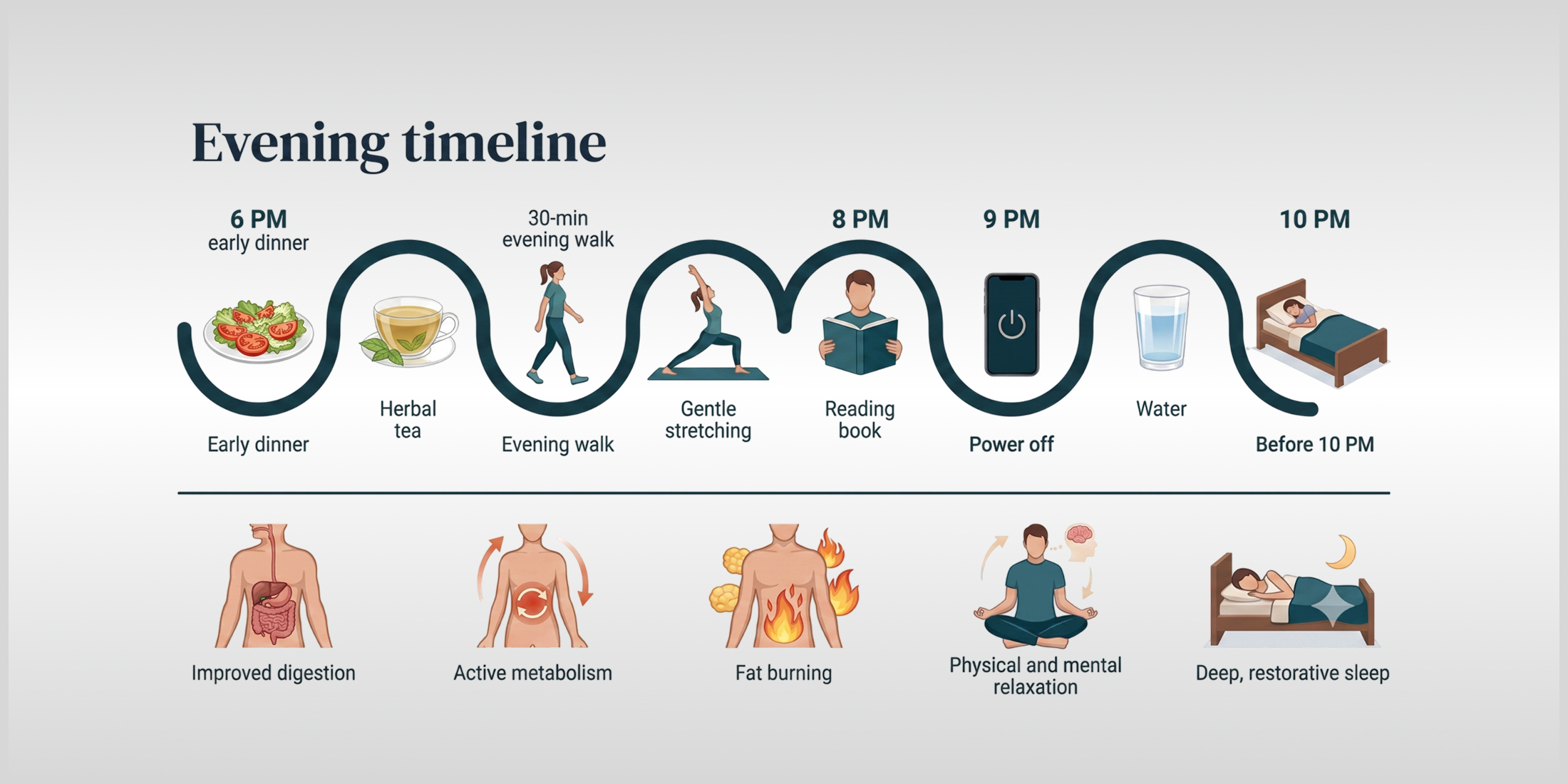
Preparing for tomorrow's healthy routine is an essential step toward achieving long-term wellness and maintaining a balanced lifestyle. Taking a few minutes each evening to plan meals, organize workout schedules and set clear health goals can significantly improve consistency and motivation. A well-prepared routine helps reduce stress, saves time and encourages healthier choices throughout the day. Preparing nutritious meals in advance, setting out workout clothes and ensuring adequate sleep are effective habits that support physical and mental well-being. Creating a structured routine also minimizes distractions and helps establish sustainable health practices. By planning ahead, individuals can stay committed to their fitness journey, improve productivity and maintain a positive mindset. Consistent preparation is one of the most effective strategies for building healthy habits, achieving weight management goals and enhancing overall quality of life.
Conclusion
Developing healthy evening habits is a powerful step toward achieving sustainable weight loss and overall wellness. Consistent practices such as mindful eating, staying hydrated, maintaining a regular sleep schedule and engaging in light physical activity can significantly support long-term weight management goals. By incorporating these daily evening routines, individuals can improve metabolism, enhance recovery and promote healthier lifestyle choices. Building sustainable habits over time leads to lasting results rather than temporary success. At VSparkel, we believe that adopting simple and effective daily habits is the key to achieving a healthier, happier and more balanced life.
FAQs
1. What are the best daily evening habits for healthy weight loss?
The most effective daily evening habits for healthy weight loss include eating a balanced dinner, controlling portion sizes, taking a walk after meals, avoiding late-night snacking, staying hydrated, managing stress and maintaining consistent sleep schedules.
2. Does sleeping early help with healthy weight loss?
Yes, maintaining a consistent sleep schedule and sleeping early can significantly support healthy weight loss. Quality sleep helps regulate hormones such as leptin and ghrelin, which influence appetite and hunger. Adequate sleep also improves metabolism, reduces stress levels and enhances energy balance.
3. Can walking after dinner help with weight loss?
Walking after dinner is one of the most beneficial daily evening habits for healthy weight loss because it supports digestion, improves blood sugar regulation, increases calorie expenditure and promotes overall physical activity.