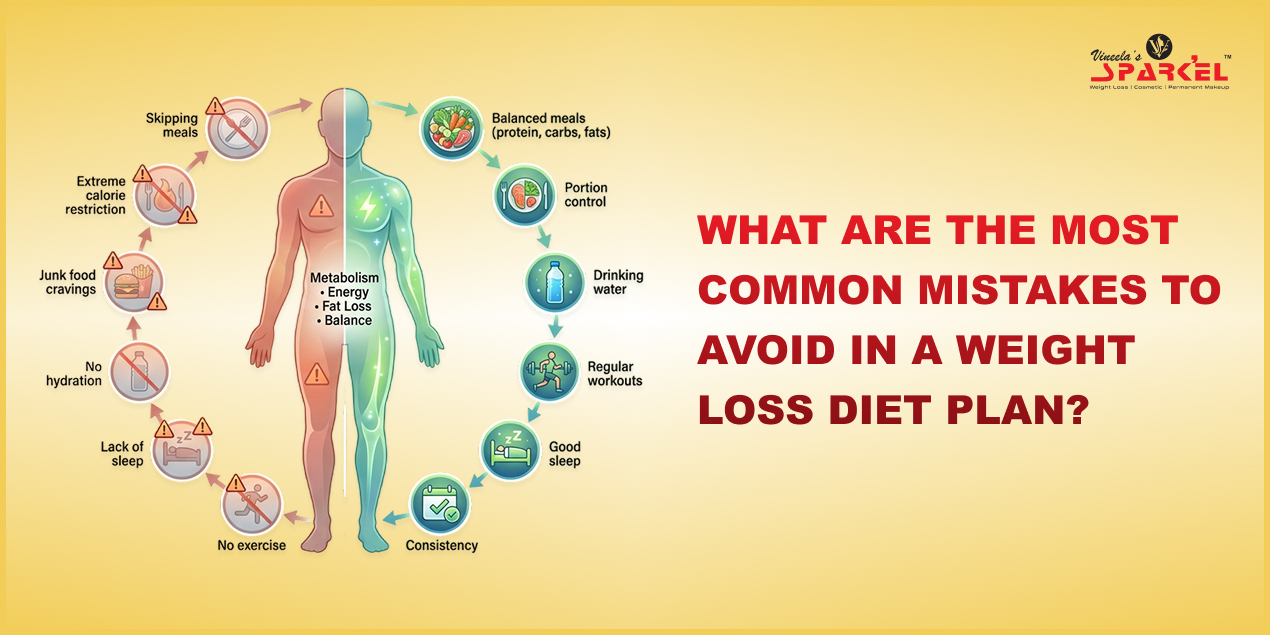
What Are the Most Common Mistakes to Avoid in a Weight Loss Diet Plan?
Starting a weight loss journeyrequires more than simply eating less, it demands a balanced and sustainable diet plan. Many people make common mistakes that slow progress and affect overall health. Skipping meals, following extreme calorie restrictions or eliminating entire food groups can lead to nutrient deficiencies and poor results. A successful weight loss diet plan should include protein, fiber, healthy fats and adequate hydration to support metabolism and energy levels. Consistency, portion control and mindful eating are key to achieving long-term success. Regular physical activity and quality sleep also play an important role in healthy weight management. Avoiding fad diets and focusing on nutritious, whole foods can help maintain steady progress
Understanding Healthy Weight Loss
Healthy weight loss is about achieving sustainable results through balanced nutrition, regular physical activity and consistent lifestyle habits rather than quick fixes. Understanding healthy weight loss helps individuals focus on losing fat while maintaining muscle mass and overall well-being. A personalized diet plan combined with exercise can improve metabolism and support long-term success. Proper hydration, quality sleep and stress management also play a vital role in effective weight management. Avoiding crash diets and unrealistic expectations reduces the risk of nutritional deficiencies and weight gain. By making gradual, healthy changes, individuals can improve energy levels, heart health and overall fitness. Monitoring progress and setting achievable goals encourages lasting motivation. Professional guidance can further enhance results by creating customized strategies based on individual needs. Adopting healthy habits instead of temporary diets leads to better physical and mental health. .
Skipping Meals and Extreme Calorie Restriction

Skipping meals and following extreme calorie restriction may seem like a quick way to lose weight, but these habits can negatively affect your health and metabolism. When your body receives too few calories, it may conserve energy by slowing down metabolic processes, making sustainable weight management more difficult. Missing regular meals can also increase hunger levels, leading to overeating and unhealthy food choices later in the day. In addition, inadequate nutrition may reduce energy, concentration and overall physical performance. A balanced eating pattern that includes nutrient-rich foods supports healthy digestion, stable blood sugar levels and long-term wellness. Instead of relying on drastic calorie cuts, focus on portion control, protein-rich meals, whole grains, fruits and vegetables. Consistent eating habits can help maintain muscle mass while supporting gradual fat loss. Proper hydration and regular physical activity further enhance healthy weight management.
Poor Nutrition Choices in Weight Loss Diet Plans
Poor nutrition choices in weight loss diet plans can slow progress and negatively impact overall health. Many people focus only on reducing calories while ignoring essential nutrients needed for energy and metabolism. Skipping meals, relying on processed foods or following extreme diets may lead to nutrient deficiencies and muscle loss. A balanced weight loss diet should include lean proteins, whole grains, healthy fats, fruits and vegetables to support sustainable results. Consuming excessive sugary snacks and refined carbohydrates can increase cravings and hinder fat loss. Proper hydration and portion control are also crucial for maintaining a healthy weight. Choosing nutrient-dense foods helps improve digestion, supports metabolism and promotes long-term wellness. Consistent healthy eating habits are more effective than crash diets for achieving lasting weight management.
Common Calorie Deficit Mistakes
Creating a calorie deficit is one of the most effective ways to lose weight, but many people make mistakes that slow their progress. Common calorie deficit mistakes include eating too few calories, skipping meals, ignoring protein intake and overestimating calories burned during exercise. These habits can lead to fatigue, muscle loss and stalled weight loss results. Tracking food intake inaccurately and relying on processed diet foods are also frequent errors. Maintaining a balanced diet with adequate nutrients is essential for sustainable fat loss and overall health. Pairing a calorie deficit with regular strength training and proper hydration can improve long-term outcomes. Consistency is more effective than extreme restriction when trying to achieve healthy weight management.
Exercise Mistakes During Weight Loss
Many people make the mistake of relying only on exercise while ignoring nutrition. While physical activity is important, diet plays a larger role in creating a calorie deficit and supporting fat loss goals.Overtraining is another issue that affects recovery and long-term consistency. Excessive workouts without proper rest can lead to fatigue, injuries, and reduced motivation. Recovery is essential for muscle repair and sustainable fitness progress.Ignoring strength training is also a common weight loss mistake. Many individuals focus only on cardio workouts, but resistance training helps preserve muscle mass and supports metabolism. Building lean muscle improves calorie burning and body composition over time. Balanced fitness routines that combine strength training, cardio, flexibility, and recovery often produce the best long-term results.
How to Build a Successful Weight Loss Diet Plan
A successful weight loss diet plan focuses on balanced nutrition, healthy habits and consistency. Instead of following restrictive trends, people should aim for realistic calorie deficits that support gradual fat loss while maintaining energy and muscle mass.Including protein-rich meals, fiber, healthy fats and whole foods improves satiety and nutritional balance. Regular exercise, proper hydration and quality sleep also contribute to sustainable results.Tracking progress realistically and making gradual adjustments helps maintain motivation. Healthy weight loss is a long-term process that requires patience and discipline rather than extreme restriction. Consistency is often more important than perfection. Small healthy habits repeated daily create lasting improvements over time.
Conclusion
Understanding what are the most common mistakes to avoid in a weight loss diet plan is essential for achieving sustainable fat loss and maintaining long-term health. Many people struggle because they follow restrictive diets, skip meals, ignore balanced nutrition, or expect unrealistic results within short periods. Healthy weight loss requires consistency, proper nutrition, realistic planning, and balanced lifestyle habits. Avoiding unhealthy dieting mistakes can improve metabolism, increase energy levels, and support long-term weight management more effectively. Programs like VSparkel emphasize the importance of healthy lifestyle transformation, balanced nutrition, and sustainable fitness habits for long-term wellness success. Building smarter eating patterns and healthier routines today can create lasting physical and mental health benefits for the future.
FAQs
1.What is the biggest mistake people make in a weight loss diet plan?
One of the biggest mistakes people make in a weight loss diet plan is following extreme calorie restriction or crash diets. These methods may show temporary weight changes but often slow metabolism, increase muscle loss and create unhealthy eating habits.
2. Why do crash diets fail for long-term weight loss?
Crash diets fail for long-term weight loss because they are highly restrictive and difficult to sustain. Severe calorie reduction can slow metabolism, reduce energy levels, and increase cravings, leading to overeating later. Many people regain lost weight quickly after stopping crash diets because these plans do not build healthy eating habits or sustainable routines necessary for long-term fat loss and overall health improvement.
3. How can beginners create a healthy weight loss diet plan?
Beginners can create a healthy weight loss diet plan by focusing on balanced nutrition, moderate calorie deficits, regular exercise, hydration and consistent meal timing. Including protein-rich foods, vegetables, whole grains and healthy fats supports metabolism and satiety.